|
First aid specialty
Certification card
Hemostasis
Lifesaving treatment 1
Lifesaving treatment 2
Oxygen administration 1
Oxygen administration 2
|
|
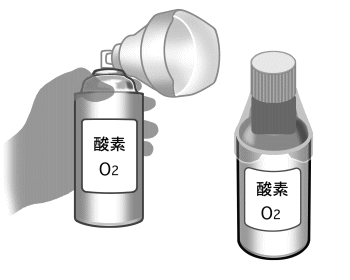
■Portable Oxygen Cans
If medical oxygen equipment is not immediately available, small portable oxygen cans sold in stores may be available in some regions.
However, these products are not a substitute for emergency medical oxygen systems and may not deliver sufficient concentration or flow for diving-related injuries.
Whenever possible, use proper medical oxygen equipment designed for emergency care.
|
|
|
■Oxygen Toxicity
Breathing high concentrations of oxygen for prolonged periods may increase the risk of oxygen toxicity.
Possible symptoms can include visual disturbances, dizziness, or, in rare cases, seizures.
In first aid situations for diving injuries, oxygen is typically administered for a limited time while arranging transport to definitive medical care. When used appropriately and for short durations, the benefits generally outweigh the risks.
Always monitor the patient and follow established training guidelines and local medical protocols.
|
|
■Important Notes
In some countries or regions, oxygen administration may be regulated as a medical procedure.
Always follow local laws, organizational standards, and your level of training.
Before providing oxygen:
• Explain the procedure to the patient.
• Obtain the patient’s consent whenever possible.
• Allow a conscious patient to assist with holding the mask if appropriate.
• Operate the equipment according to manufacturer instructions and training.
Never force oxygen delivery on a responsive patient who refuses care unless local emergency authority protocols apply.
|
|


|
|