|
|
For your first dolphin swim, begin at the surface.
Using a buoyancy vest provides additional flotation, allowing even less confident swimmers to participate comfortably and safely.
|
■ Snorkel Clearing
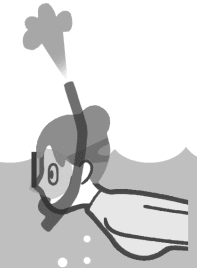
If water enters the snorkel, clear it by forcefully exhaling while at the surface.
Practice this technique until it becomes natural and comfortable.
|
|
■ Fin Technique
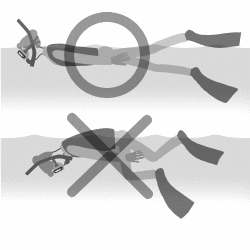
Kick slowly and smoothly using long, relaxed movements.
Avoid bending your knees excessively.
Maintain a horizontal body position while looking slightly forward.
Efficient finning conserves energy and minimizes disturbance.
|
|
■ Communication
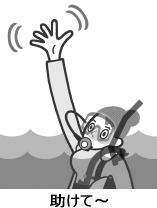
Verbal communication is not possible in the water.
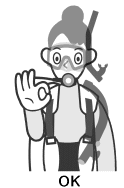
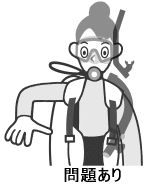
Use simple hand signals to communicate with your buddy and instructor.
|
|
■ Responsible Dolphin Interaction
Once in the water, remain calm and float at the surface while observing the dolphins’ movement patterns.
Allow dolphins to approach you naturally.
Stay within your group and avoid spreading out.
Do not chase dolphins. Patience increases the likelihood of meaningful encounters.
|
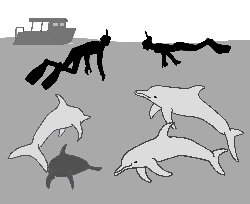
Wait calmly at the surface
|
|
When dolphins approach, gently rotate your body to follow their movement while maintaining eye contact.
Typically, dolphins swim on the outside while swimmers remain on the inside of the circle.
This reduces swimming effort and allows dolphins to move freely.
Minimize bubbles and sudden splashing.
Move slowly and avoid breaking the surface excessively with your fins.
Calm movement helps prevent startling the dolphins and improves underwater visibility for photography.
|

Surface horizontal rotation
|



