
Play with fish
Certification card
Where the fish live 1
Where the fish live 2
School of fish
Symbiosis
Observation techniques and manners
Observation record
Emergency measures and first aid measures 1
Emergency measures and first aid measures 2
Emergency measures and first aid measures 3
Emergency measures and first aid measures 4
|

|
|
Some marine animals are venomous or may defend themselves if they are touched or disturbed.
Most incidents can be avoided by maintaining good buoyancy and keeping your hands and knees off the bottom.
If you are injured, end the dive, begin first aid, and seek medical attention promptly.
Do not attempt to suck venom from a wound.
|
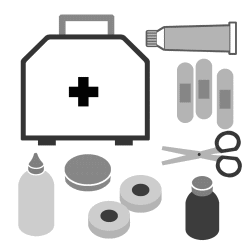
Bring a first aid kit |
|
■ First Aid 1
|
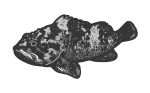
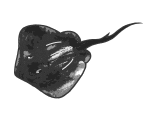
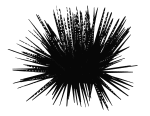
*Goby *Scorpionfish *Lionfish *Rockfish *Ray *Diadema setosum
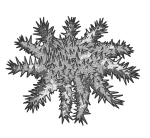
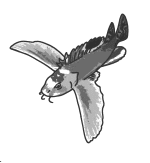
*Sea urchin *Crown-of-Thorns Starfish *Carinate blenny |
- Rinse the wound gently with clean water. Control bleeding with light pressure if needed.
- If spines or debris remain in the wound, carefully remove what you can see with clean tweezers. Do not dig deeply.
- Keep the injured area still and avoid squeezing or cutting the wound.
- For painful stings (for example, some fish spines), soaking the area in hot water may help. Use hot—but not scalding—water (as hot as can be tolerated; do not burn the skin). If soaking is not possible, apply gentle heat using a warm pack.
- Monitor for allergic reactions (difficulty breathing, swelling, hives, dizziness). Seek medical care promptly, and call emergency services if symptoms are severe.
|
 |
 |
 |
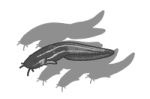
Goby |
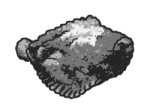
Scorpionfish |
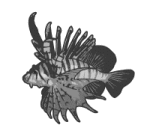
Lionfish |
|
|
|
 |
 |
 |
Rockfish |
Ray |
Diadema setosum |
|
|
|
 |
 |
 |
Sea urchin |
Crown-of-thorns starfish |
Carinate blenny |
|
|
|
  |
|
