|
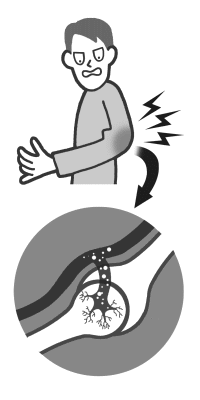
More than 80% of decompression sickness (DCS) cases in recreational diving involve joint pain—commonly affecting the shoulders, elbows, or knees—as well as muscle pain and weakness in the limbs.
If you experience any of these symptoms within 36 hours after a dive, you should suspect decompression sickness and seek medical evaluation immediately.
|
|
|
Additional signs and symptoms may include:
• Itching or redness of the skin
• Unusual sensations or numbness
• Shortness of breath (dyspnea)
• Low blood pressure
• Confusion or altered consciousness
• Dizziness
• Nausea
• Ringing in the ears (tinnitus)
• Hearing loss
• Limb weakness or paralysis
• Sensory impairment
• Difficulty urinating or loss of bladder control
• Speech difficulties
• Headache or abdominal pain
• Loss of consciousness
Repeated dives with poor ascent control over time may increase the risk of long-term bone injury (dysbaric osteonecrosis), which can lead to joint damage and impaired mobility.
|
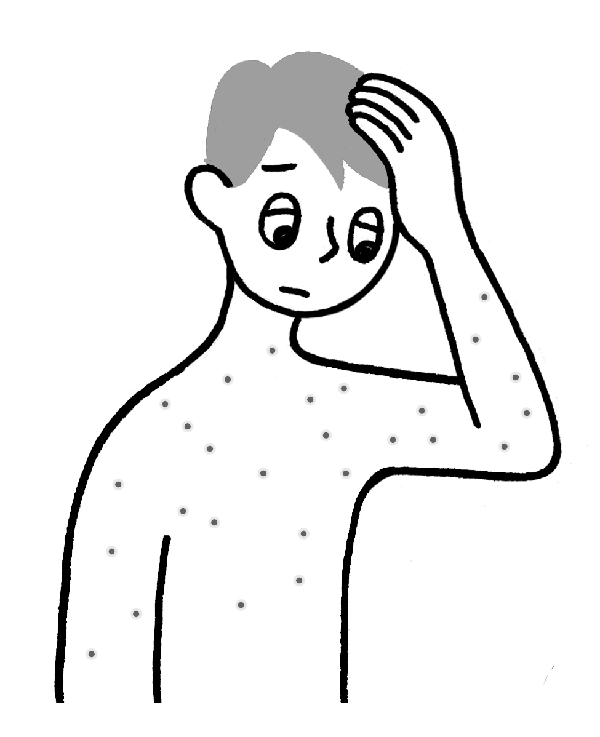
Be alert for skin itching or redness
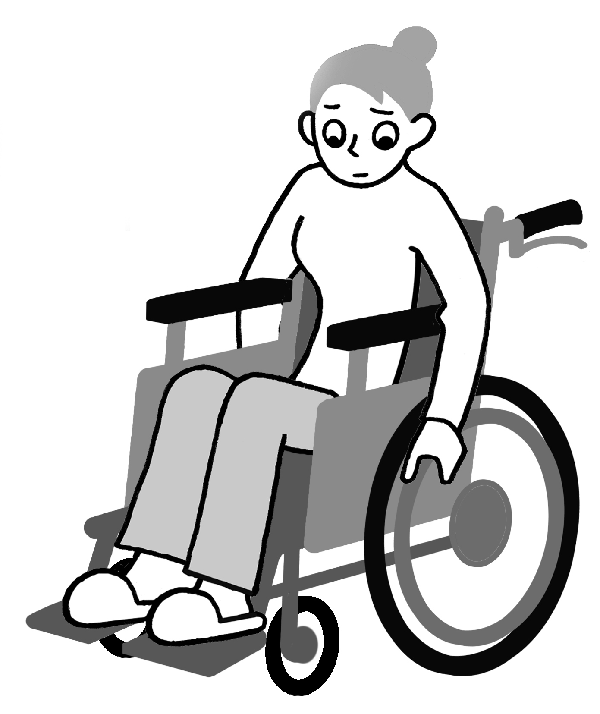
Proper ascent control helps reduce long-term risk
|




