|
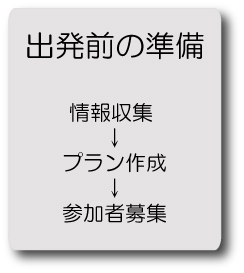
Preparation for a course should be carried out in the following order: information gathering → plan development → participant recruitment.
■Methods of Information Gathering
Obtain the latest information from diving magazines, local resort facilities, and official meteorological websites.
If information cannot be obtained from diving magazines or local resort facilities, the area may not be suitable for training.
Avoid planning courses in such locations.
To prevent conflicts with fishermen or other vessels at the dive site, use local resort facilities that are familiar with local rules.
In particular, snorkeling, skin diving, and introductory diving should be conducted in pools or confined water environments.
|

Try gathering information on the internet.
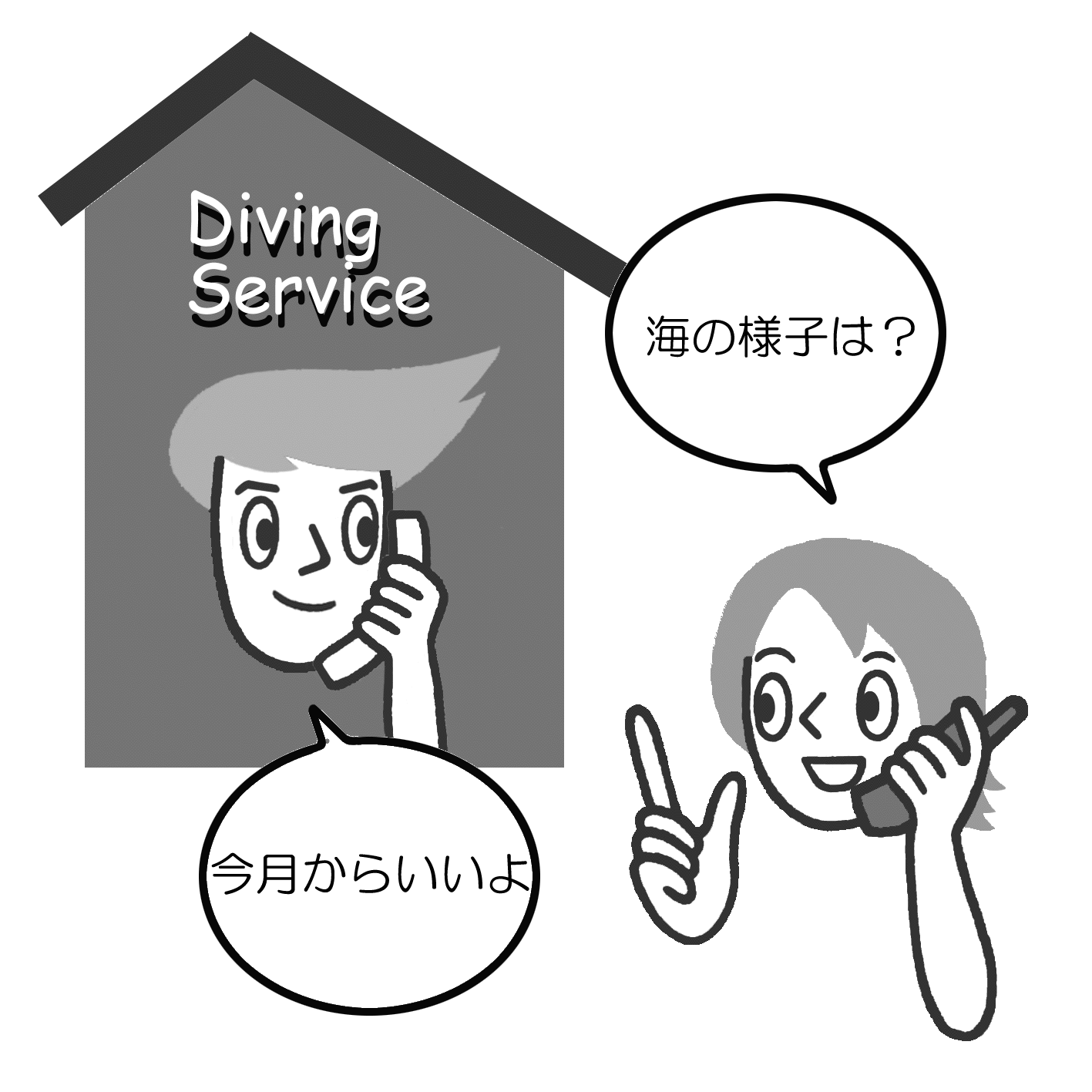
Obtain the latest local information.
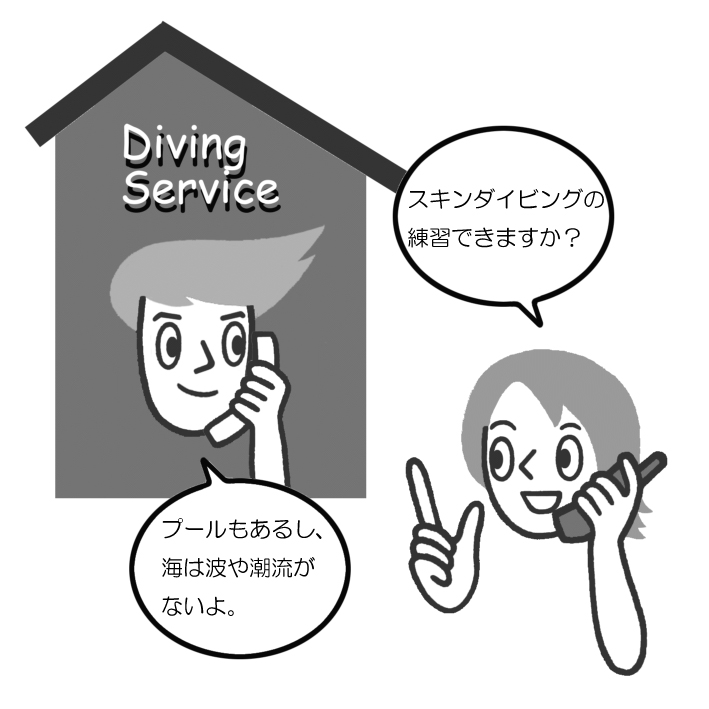
Confirm whether it is a pool or a pool-like environment.
|
■Checking the Diving Environment
Confirm the following information:
① Marine life conditions
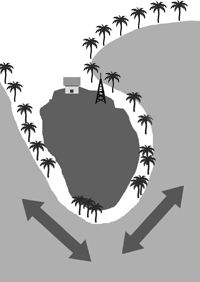
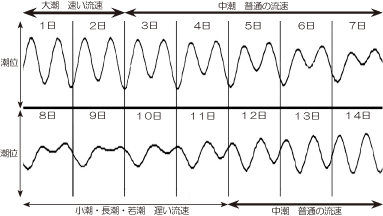
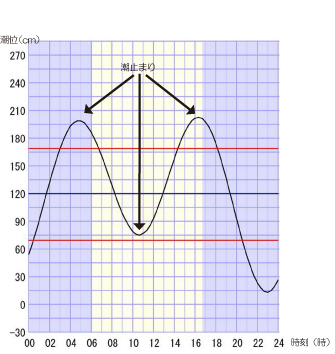
② Currents, tide tables, and local tidal conditions
③ Surface visibility and underwater visibility
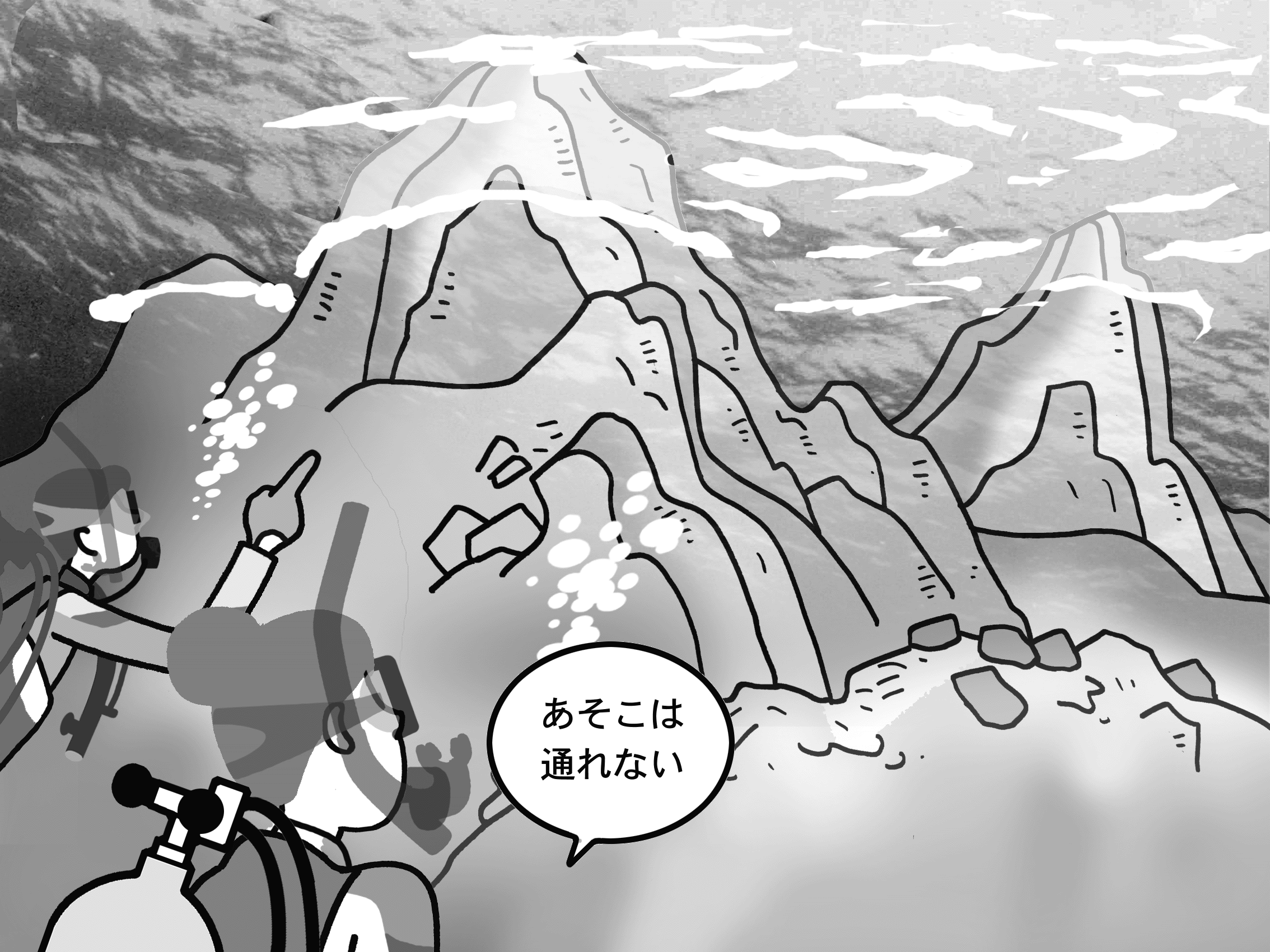
④ Seabed topography, obstacles, and vegetation conditions
⑤ Water temperature
⑥ Surface usage by fishing boats and leisure boats
⑦ Placement of fishing equipment such as nets and traps
⑧ Restricted areas
⑨ Seasonal weather conditions
In some regions, seasonal winds may prevent diving for extended periods.
Also gather information on alternative dive sites.
■Use of Resort Facilities
Pay attention to restrooms, rest areas, and meal arrangements at the site.
■Transportation
Confirm transportation to the site.
Check whether convenient public transportation is available for meeting and dismissal times.
■Guide Divers
Most local resort facilities have guide divers familiar with the local waters.
In unfamiliar areas, arrange for an experienced guide diver.
Confirm costs and reservation methods in advance.
|
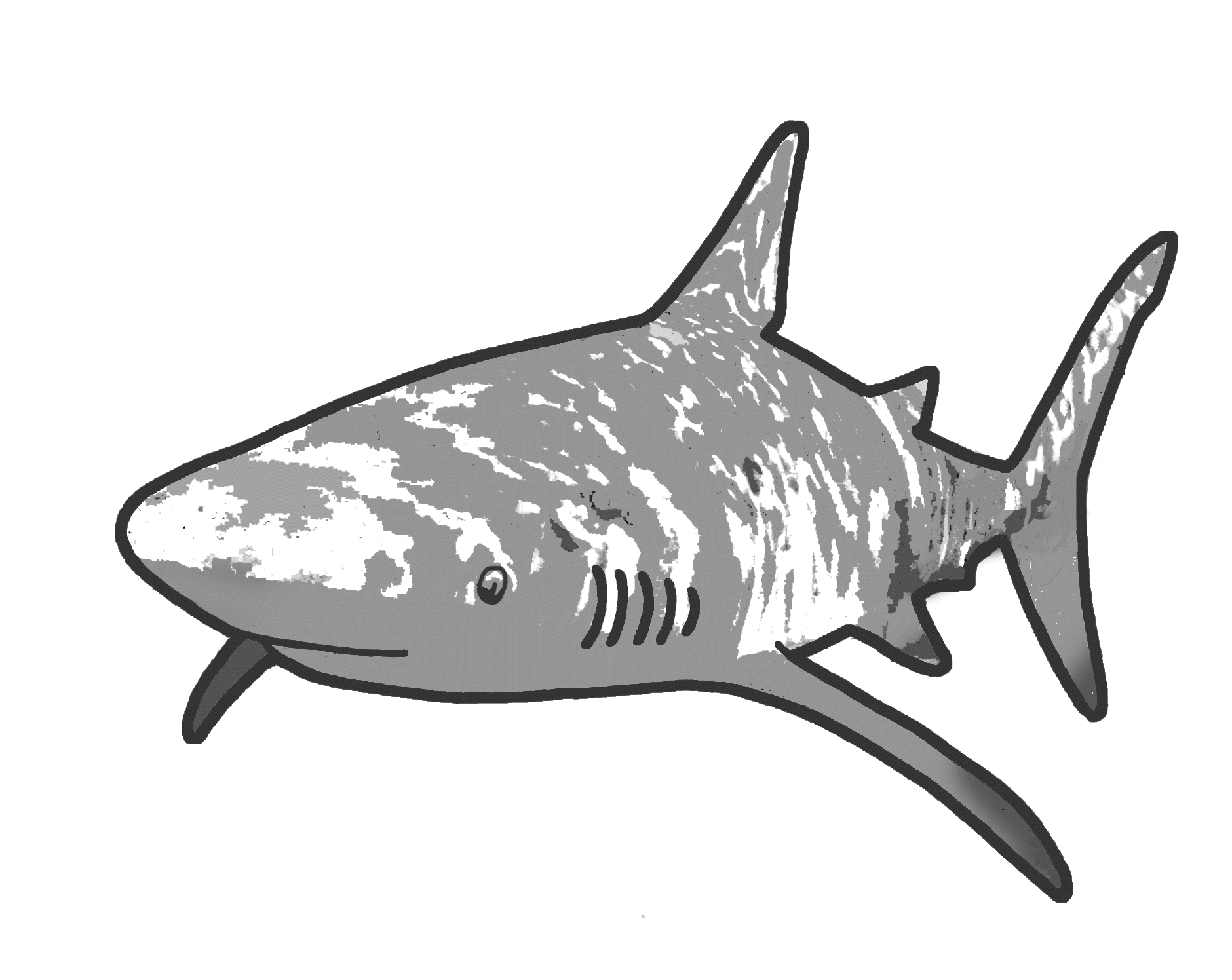
Are there any dangerous marine creatures?

Simple tide tables can be obtained online.
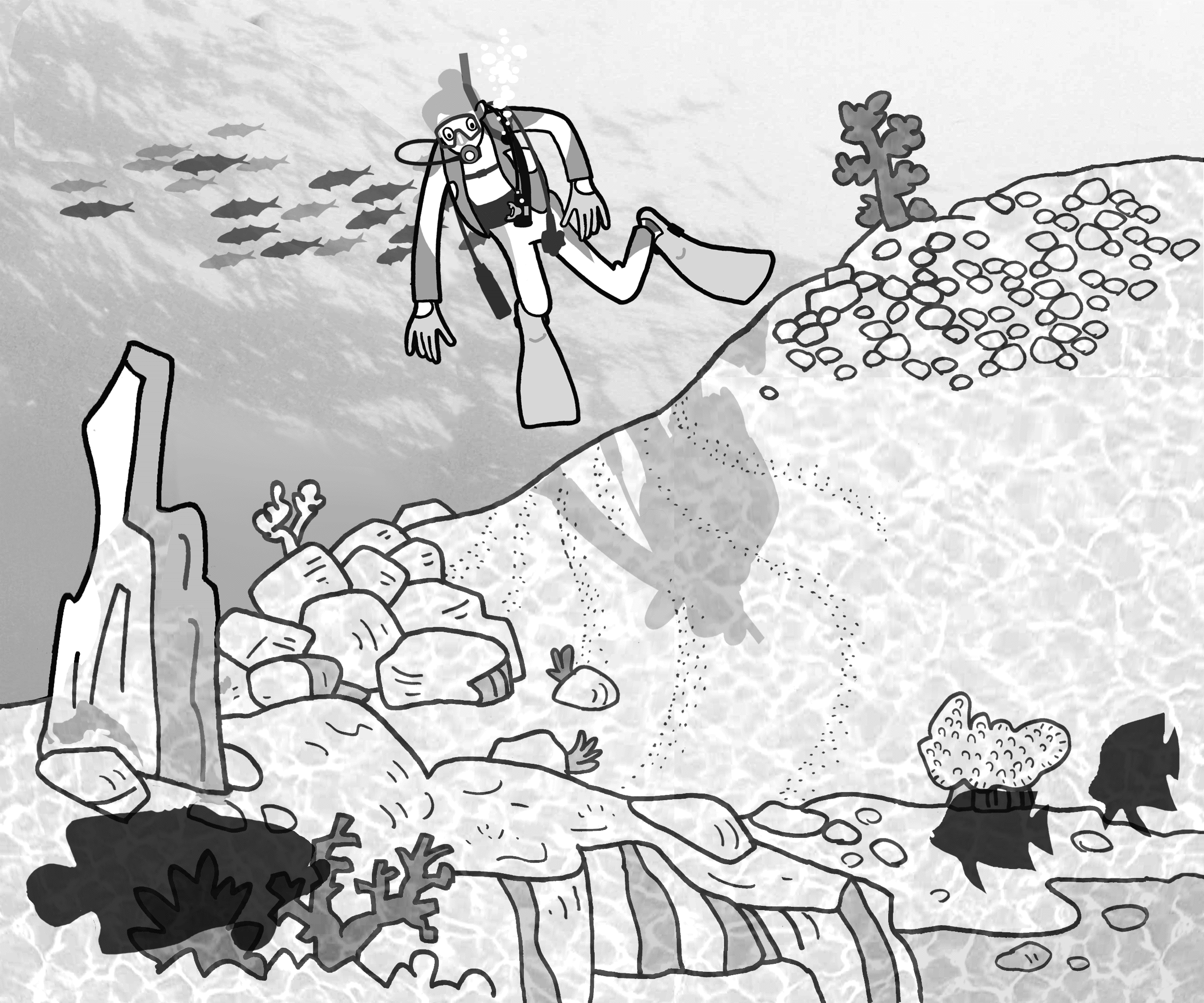
Is visibility good?
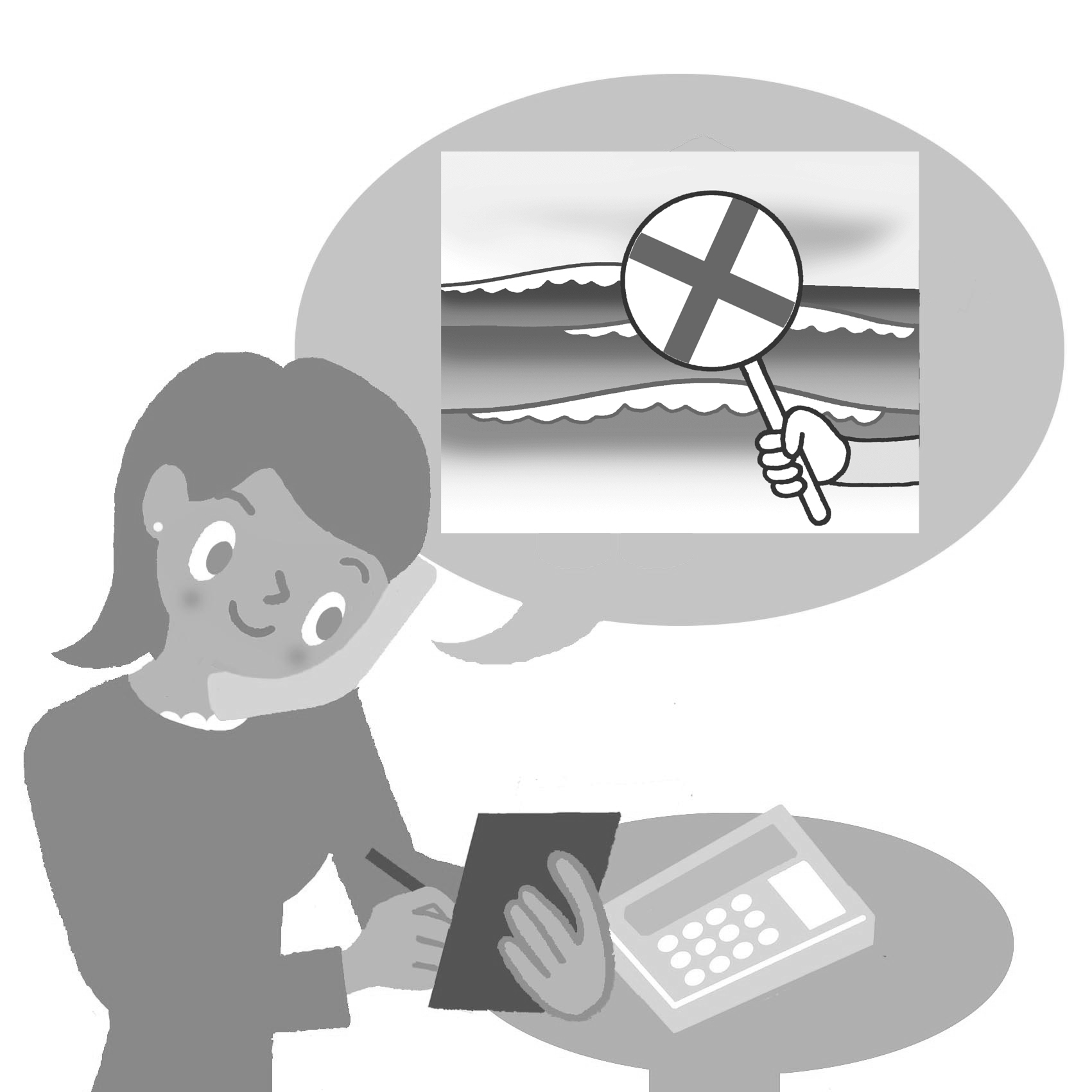
Check alternative sites for bad weather.
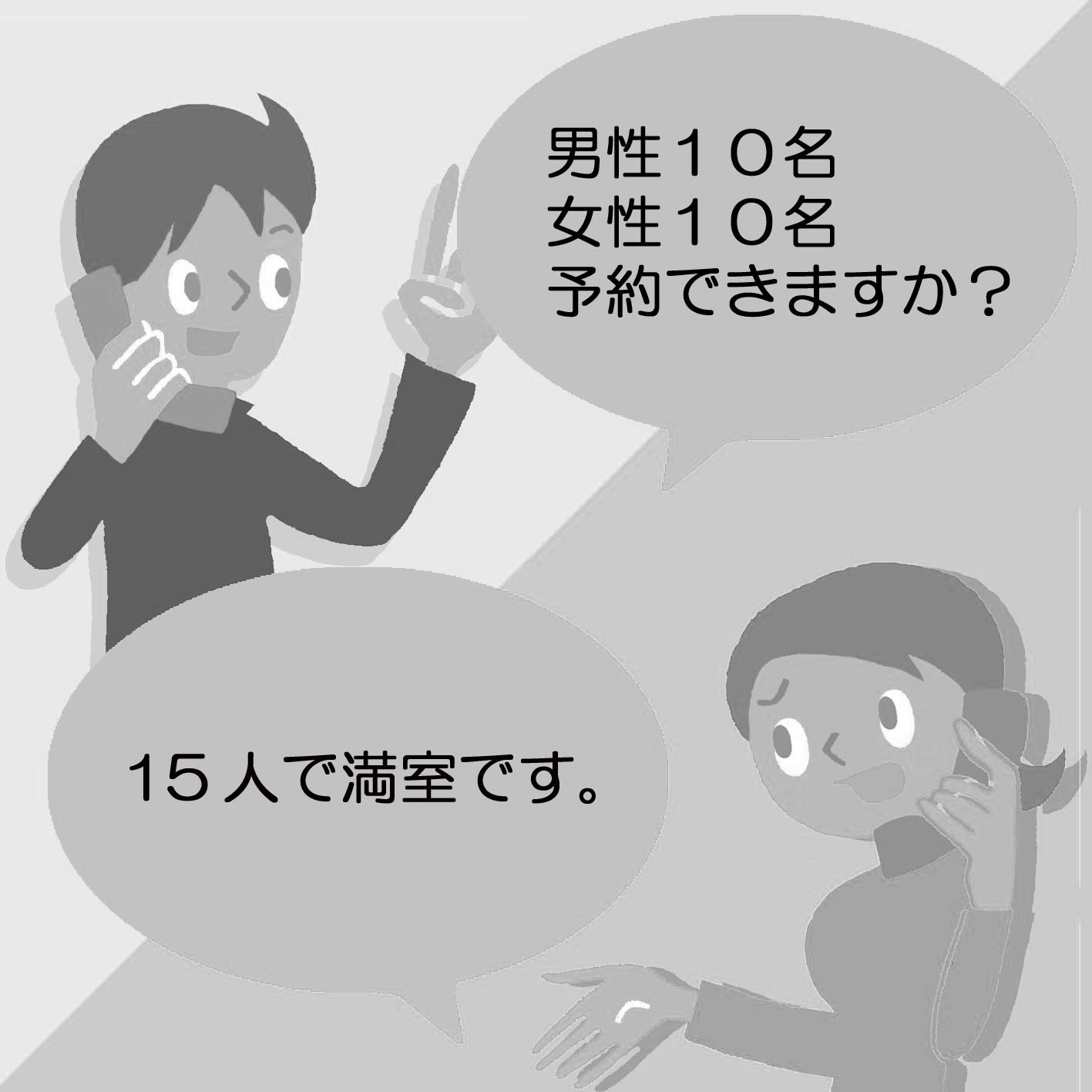
Also confirm facility capacity.

Check transport schedules.
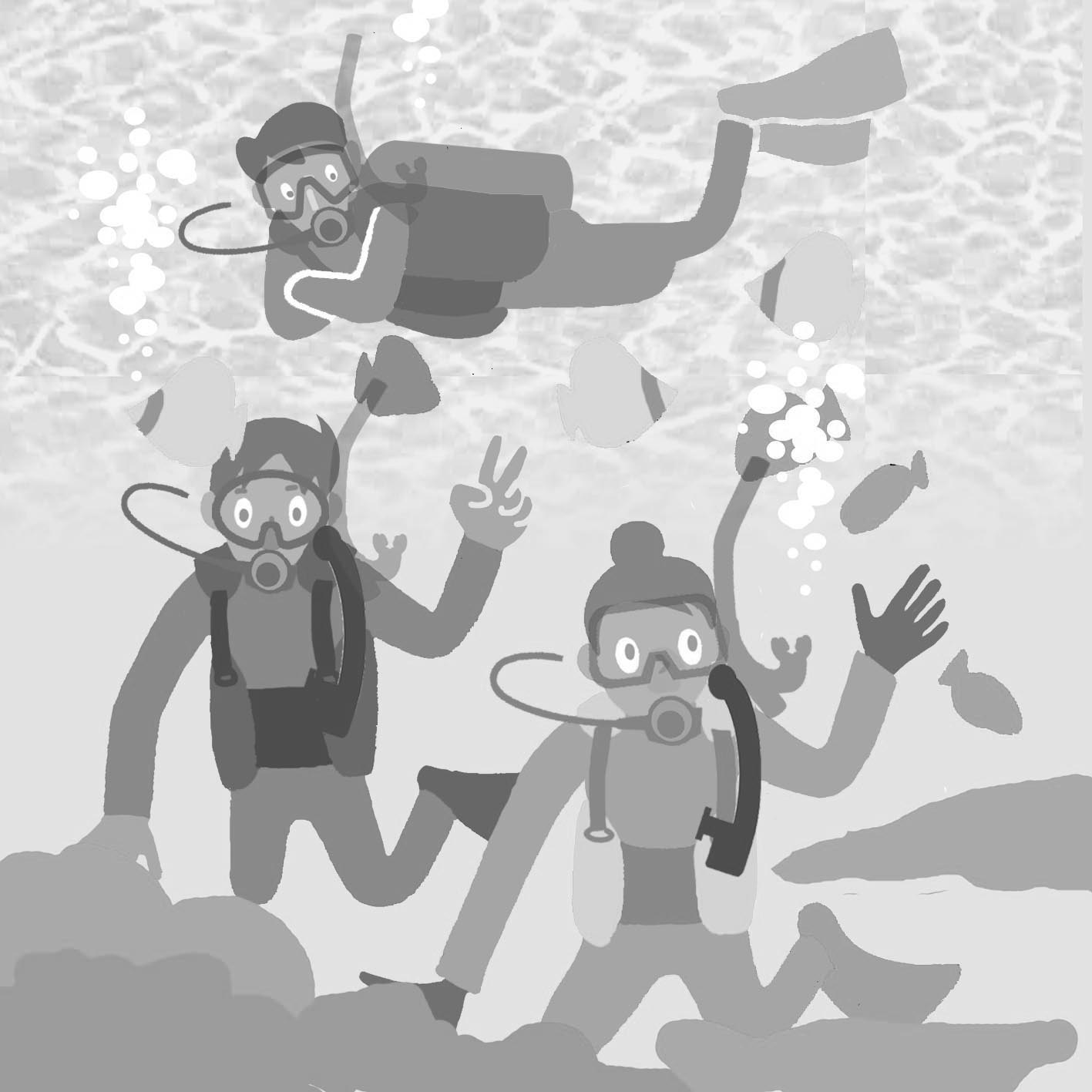
A guide diver provides additional safety
|