■Preparation for Diving
Diving facilities are used by many groups.
Please use baggage areas and parking spaces in a way that does not inconvenience other groups.
Upon arriving at the dive site, assess the conditions from a location where you can overlook the entire planned dive course and training area.
Check that there are no boat traffic routes or waves on the surface above the planned dive course and training area, and confirm that it is safe to surface and conduct training.
If the conditions of the planned dive course or training area are poor, cancel the dive and move to another site with better conditions.
Wind may temporarily stop when the direction changes, but strong winds may follow after the shift.
Pay attention to passing weather fronts and regional weather changes.
Assign a lookout on the shore or on the boat to establish a monitoring system.
Avoid conducting fun diving or training in areas with boat traffic, jet skis, or fishing activities.
Use diving flags and similar markers to ensure boats stay away.
Always carry drift prevention equipment for safety during surfacing and emergencies.
The instructor must continuously monitor all participants’ conditions (for safety confirmation), at least once every four seconds (from a legal standpoint).
If an accident occurs involving a participant, the instructor may be held legally responsible.
Always prioritize safety when leading fun dives.
■Briefing (Final Check)
① At the start of the training, use the reverse side of the Dive Leader Check Sheet to review precautions with all participants.
② Confirm essential hand signals required for instruction (e.g., “Look at me,” “You do it”).
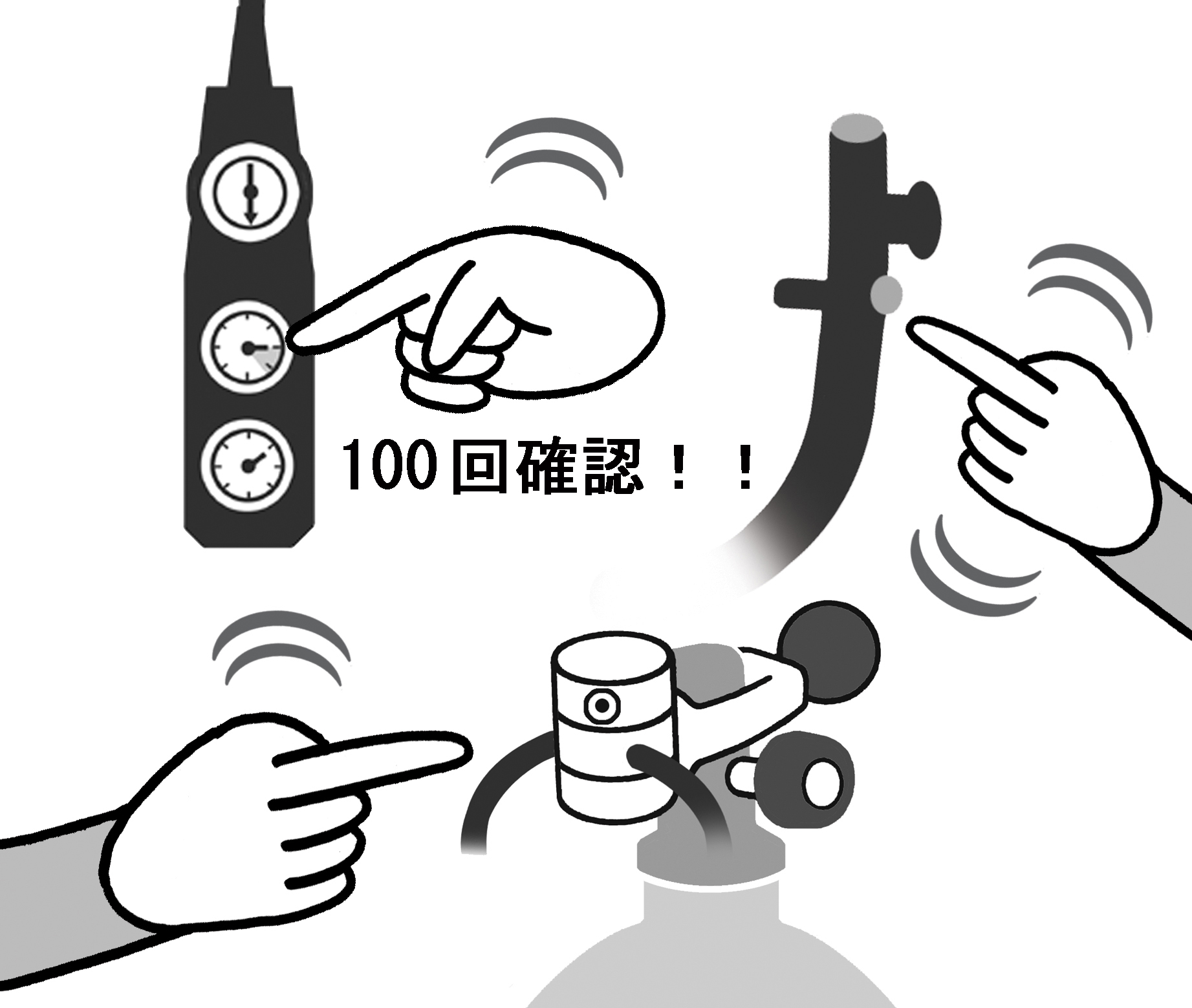
③ Explain the responsibility of checking remaining air pressure and ensure participants are always aware of their own air supply.
④ Instruct participants to act with their buddy and cooperate in following the briefing.
⑤ Observe each participant’s behavior before diving and speak to them gently to relieve anxiety.
⑥ Stress responses vary by individual.
If a participant shows signs of stress, cancel their dive.
Also, be careful not to cause stress to participants.
In open water training, also pay attention to the following:
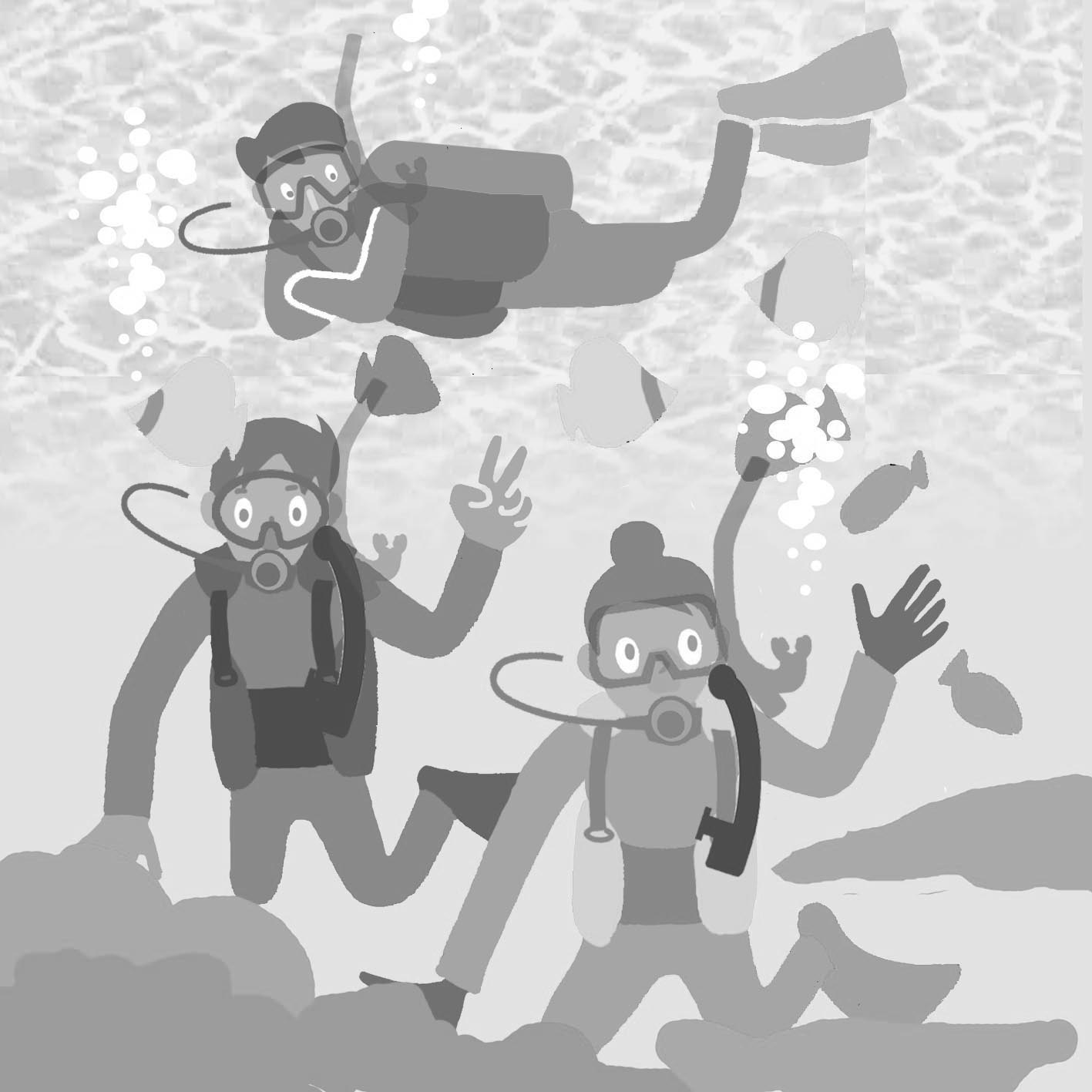
⑦ Instruct members to maintain a distance where buddies can shake hands when extending their arms (buddy distance).
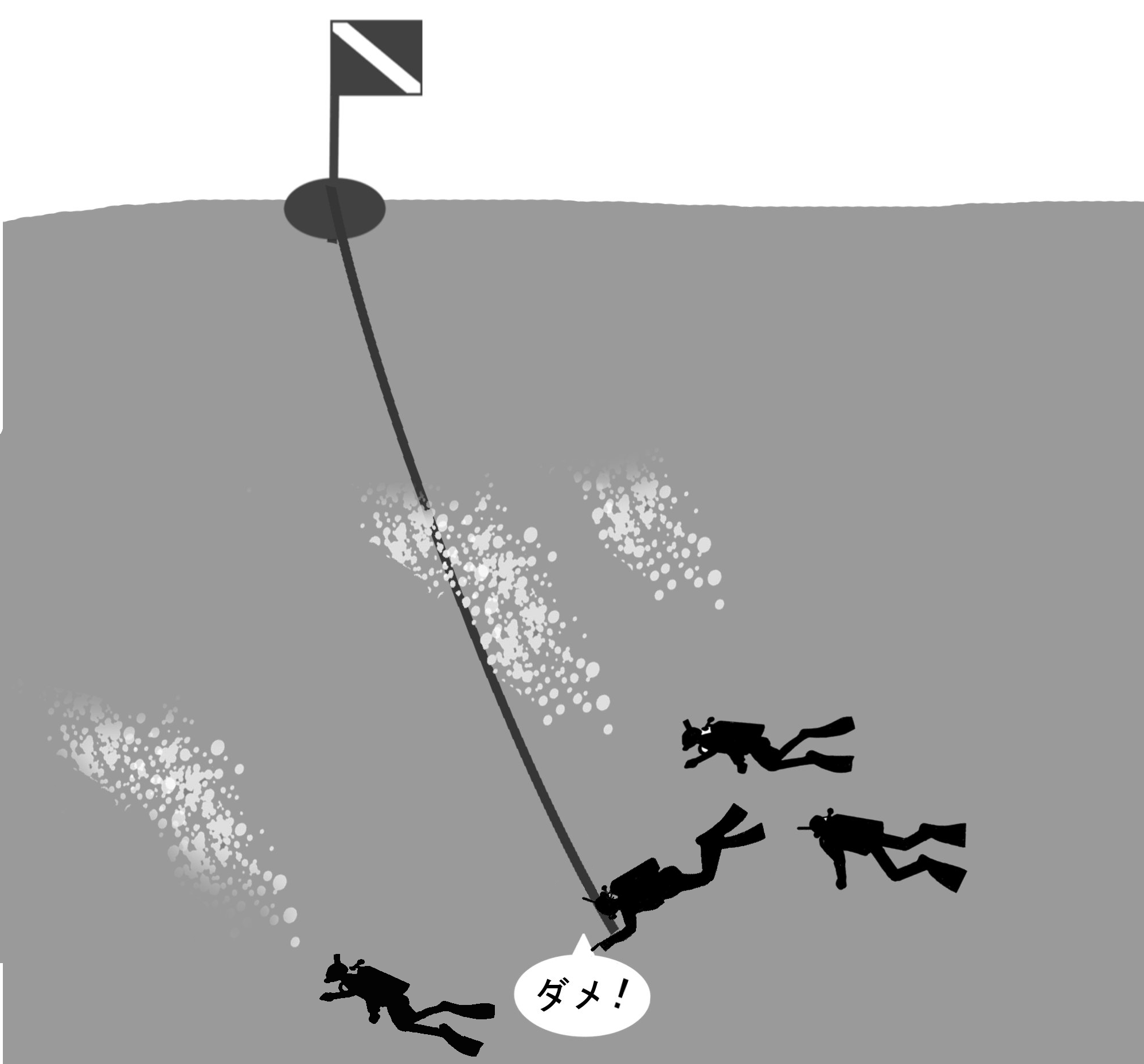
⑧ Instruct participants not to overtake the buddy or instructor in front, and not to exceed the instructor’s maximum depth.
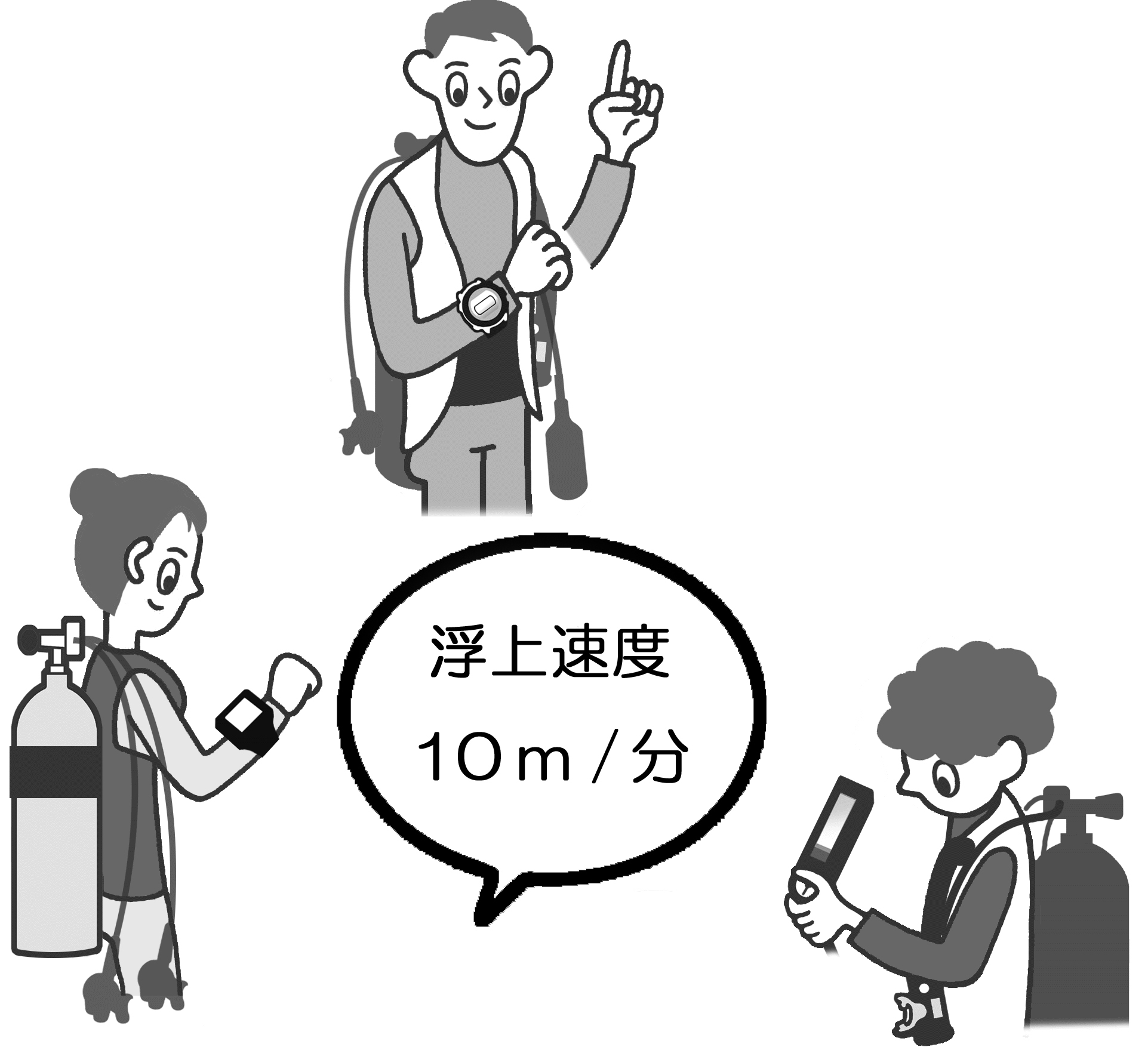
⑨ Instruct all participants to ascend at the same speed.
⑩ If sufficient time has not passed since the last dive, it will be considered a repetitive dive.
Especially in afternoon dives, participants may have already dived in the morning.
Check all participants’ residual nitrogen time in advance.
⑪ Use the front side of the Dive Leader Check Sheet to determine the formation (Instructor → Buddy 1 → Buddy 2 → Assistant).
Place participants who may require assistance as Buddy 1 directly behind the instructor.
⑫ During descent, instruct all team members to descend only after the preceding buddy reaches the target point and receives the signal from the instructor on the seabed.
⑬ Ensure all participants have donned their equipment and completed buddy checks before starting entry.
|
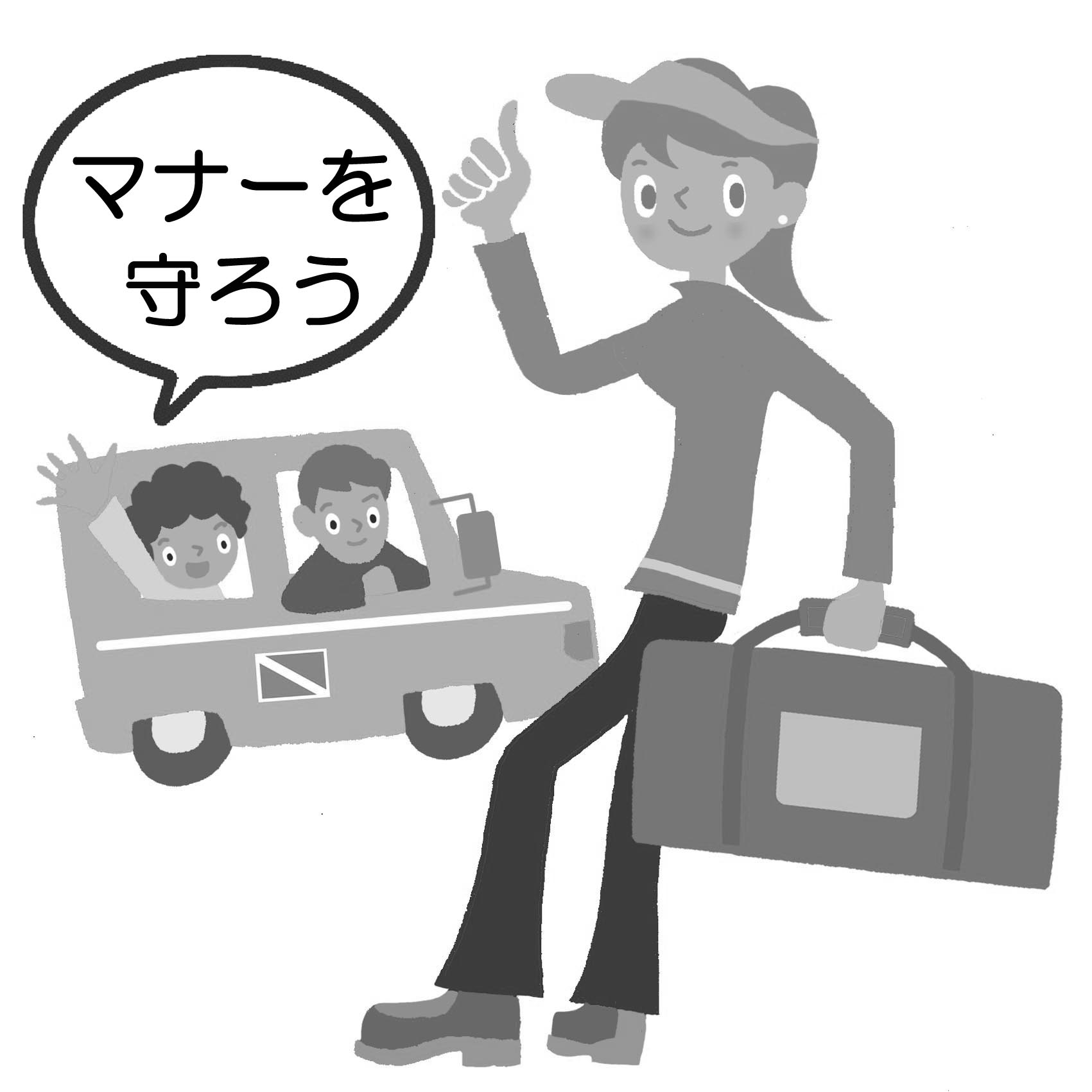
Good manners are fundamental for professionals.
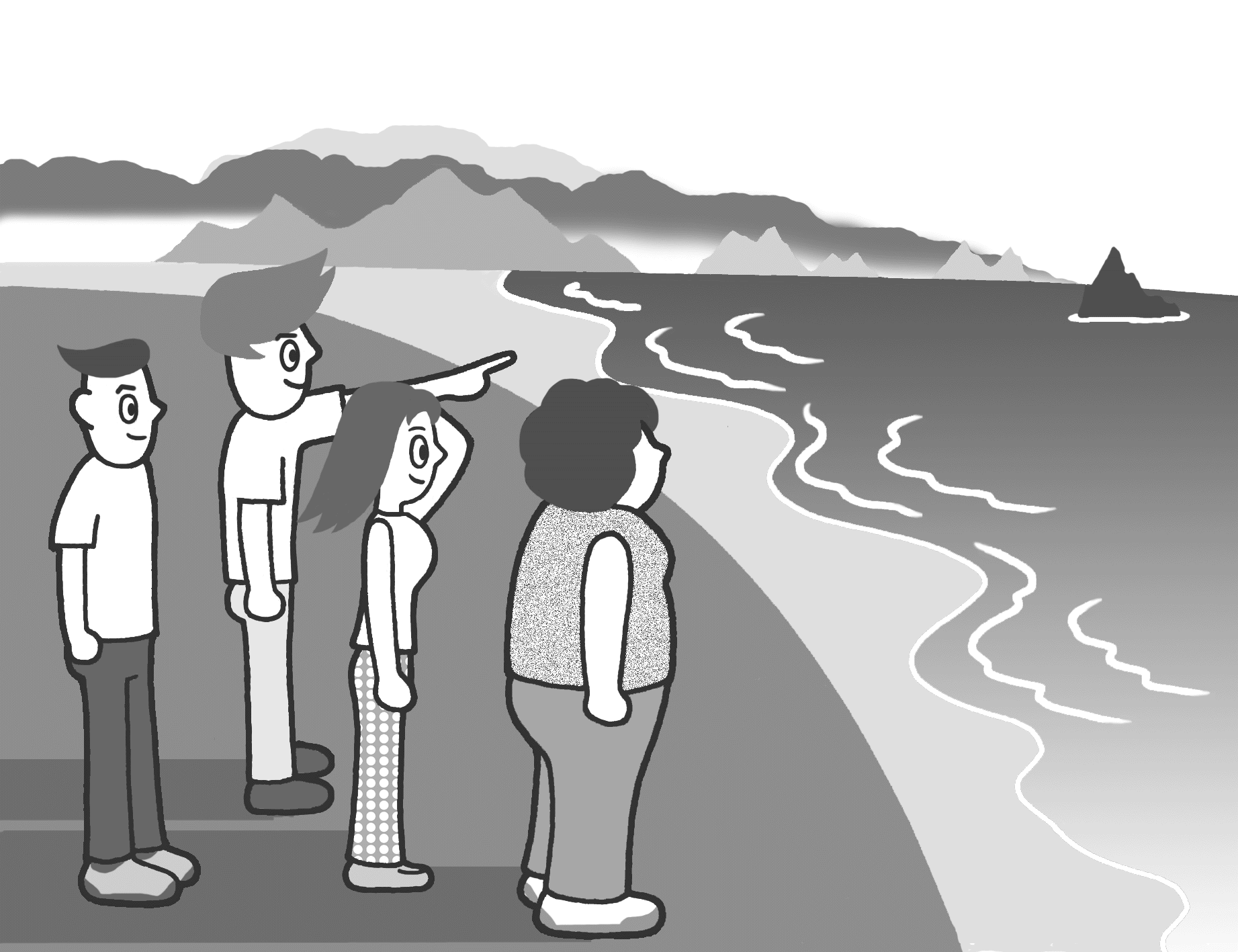
Check the surface above the dive course.
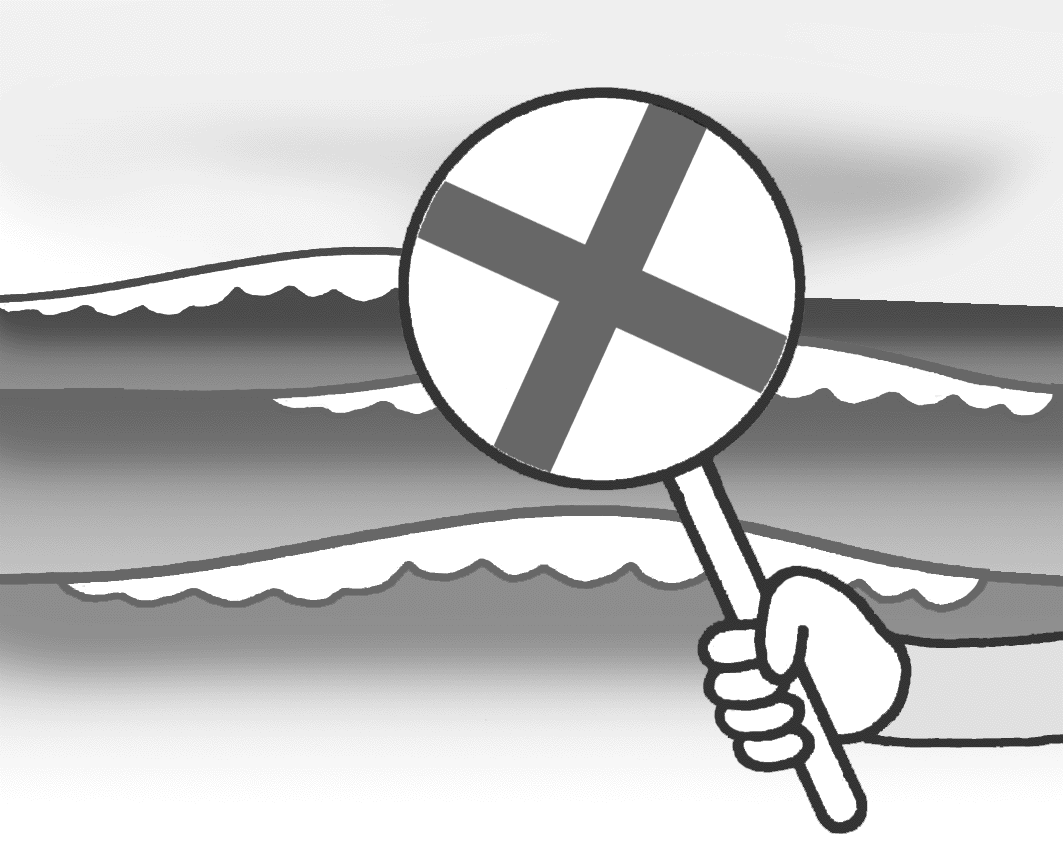
Do not hesitate to cancel.
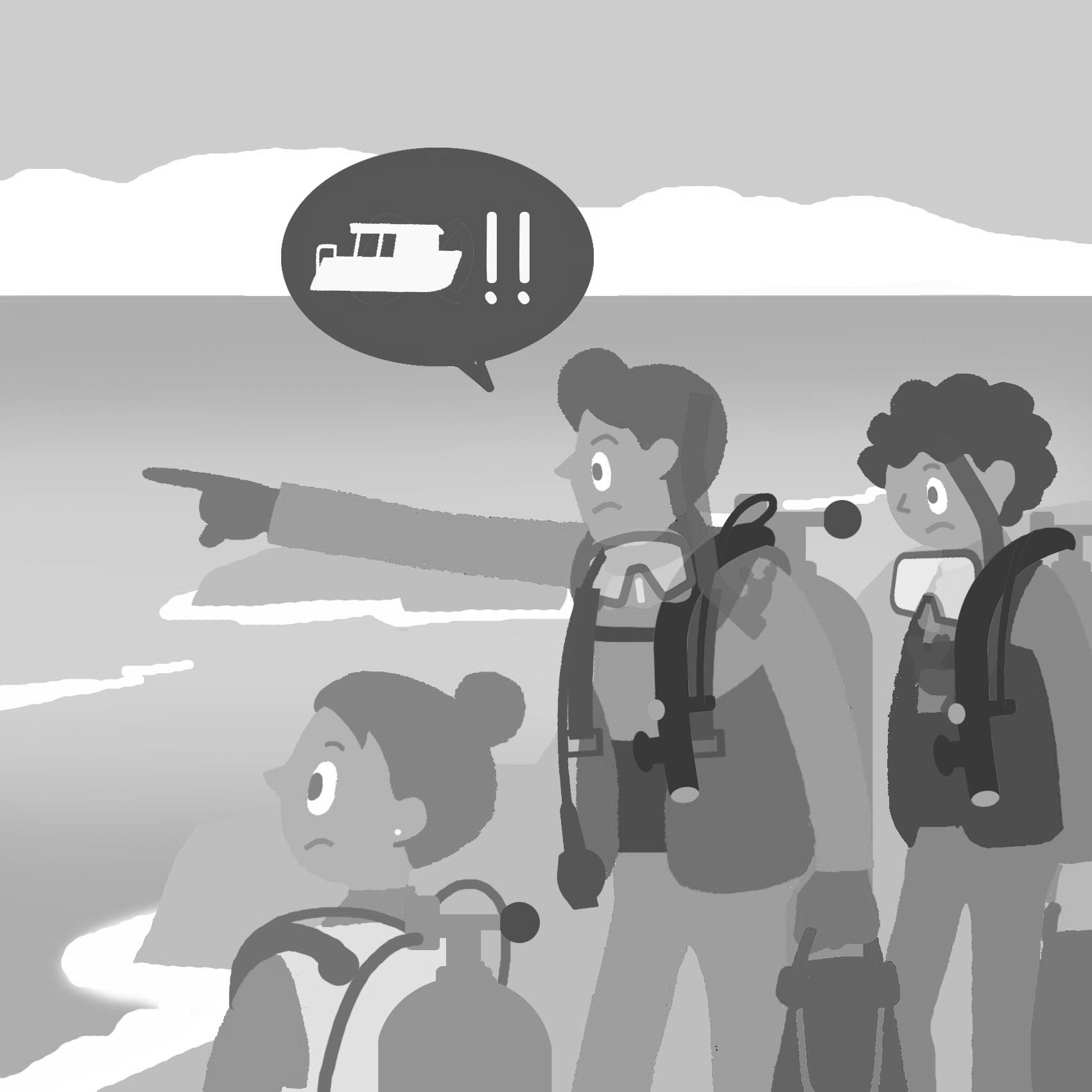
Watch out for approaching boats.

Place the diving flag in a highly visible location!!
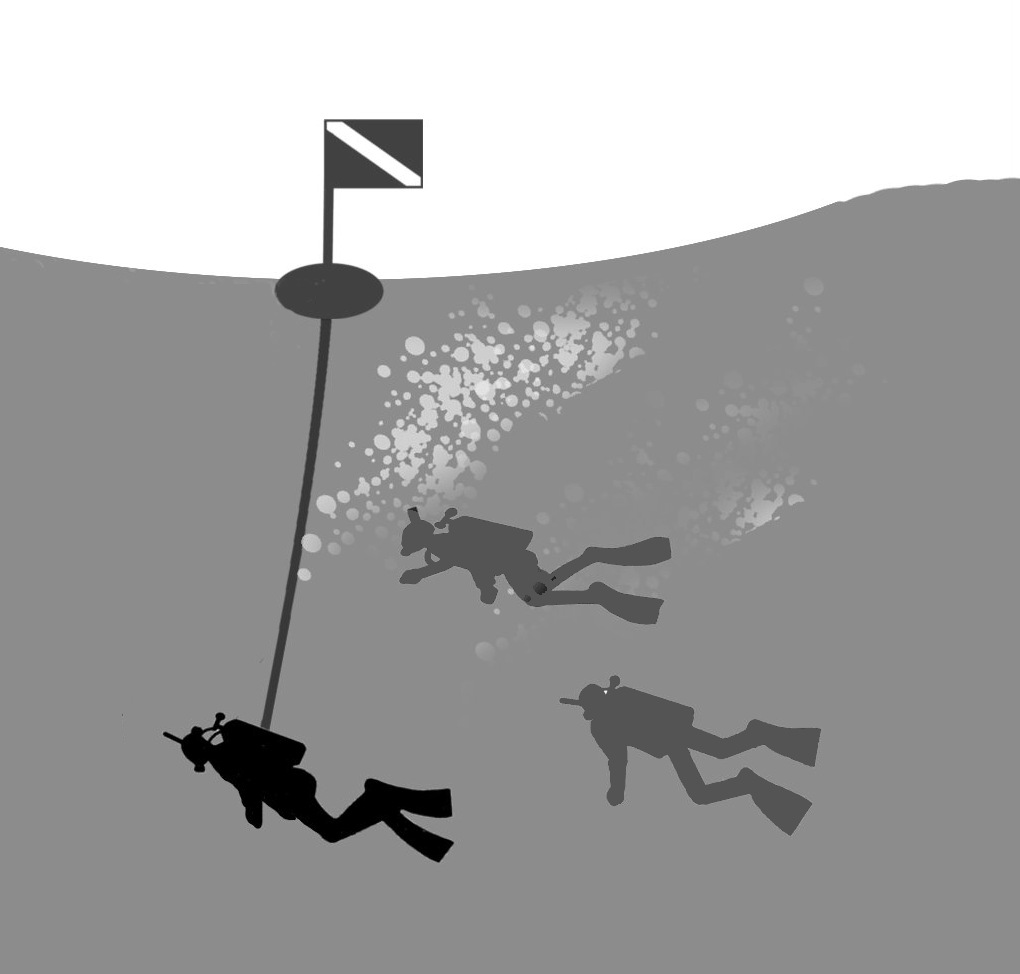
Safety first with a surface float.
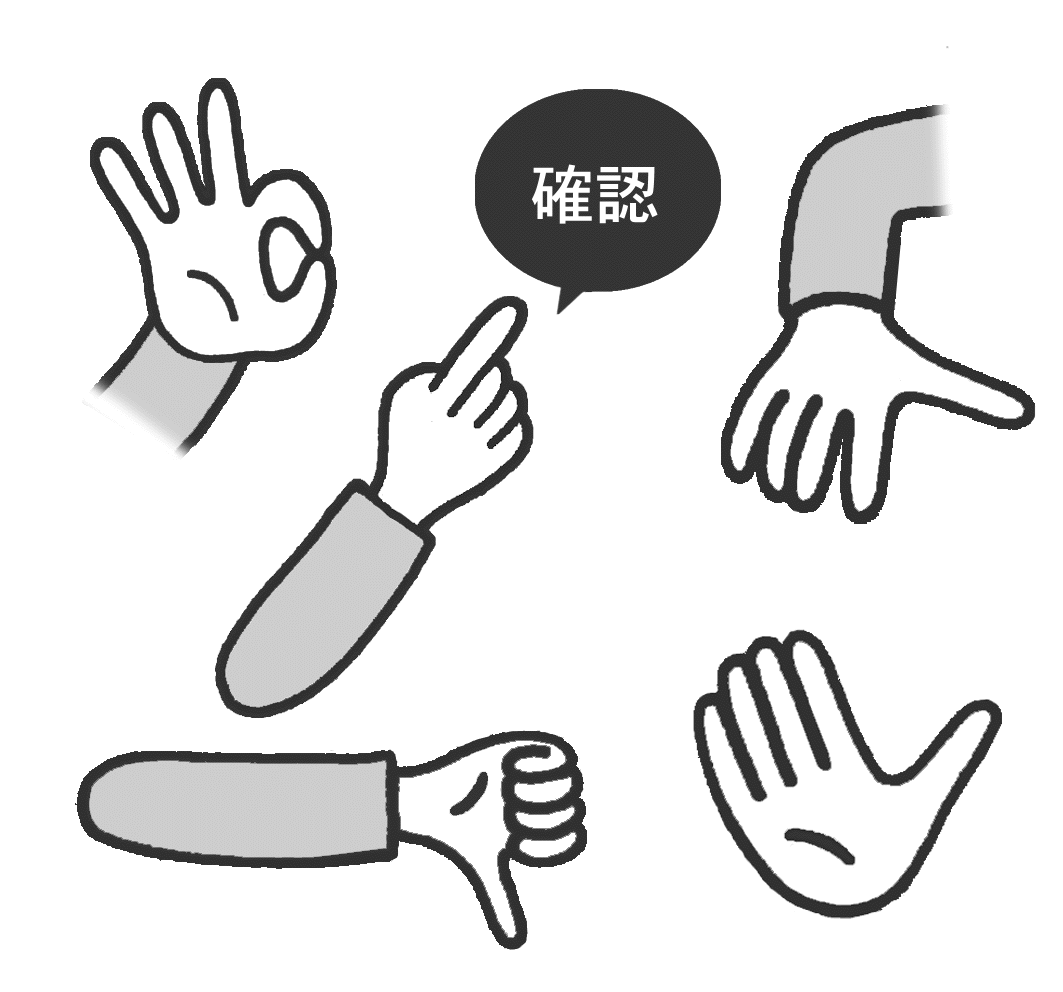
Do not forget the briefing.
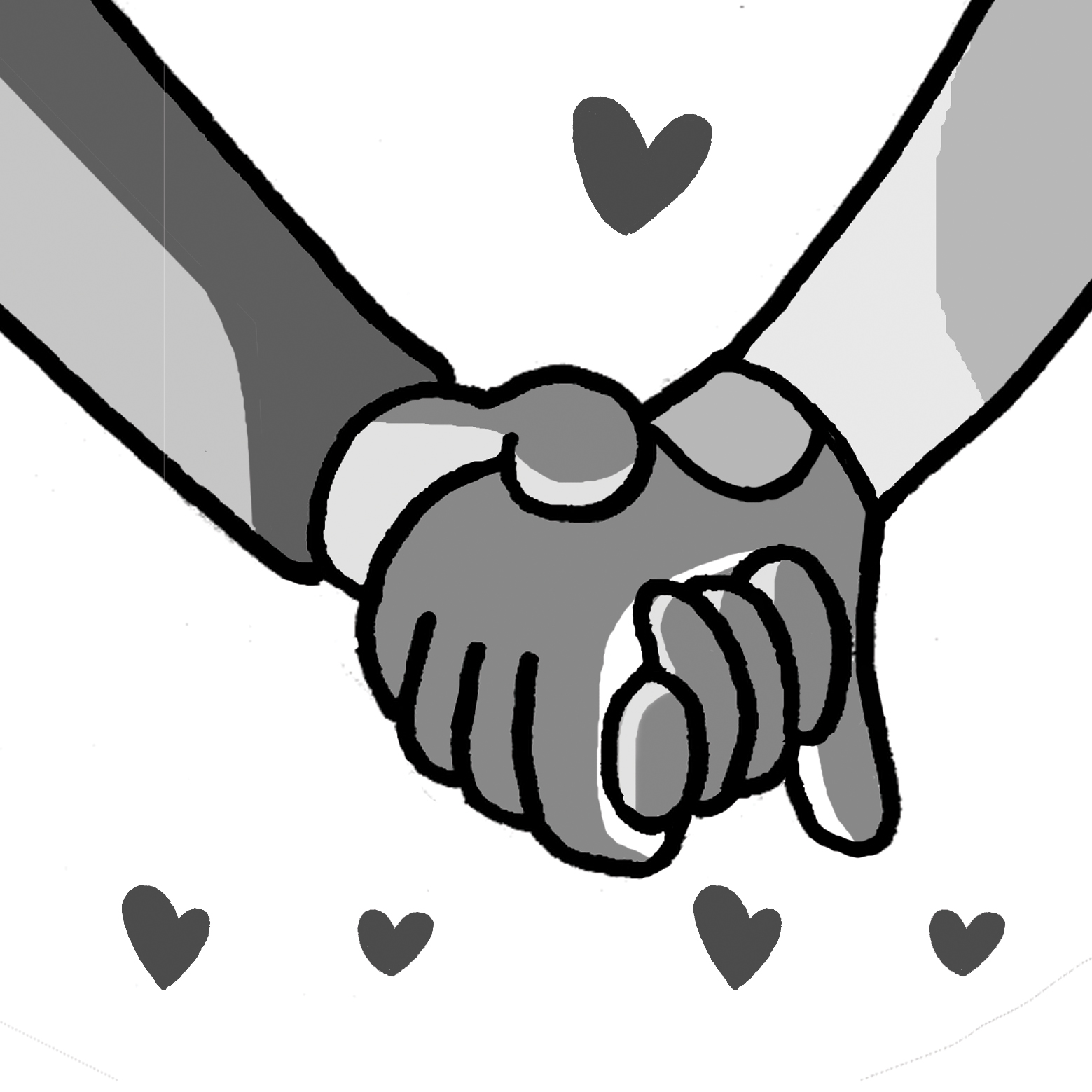
Work together as buddies and follow the rules.
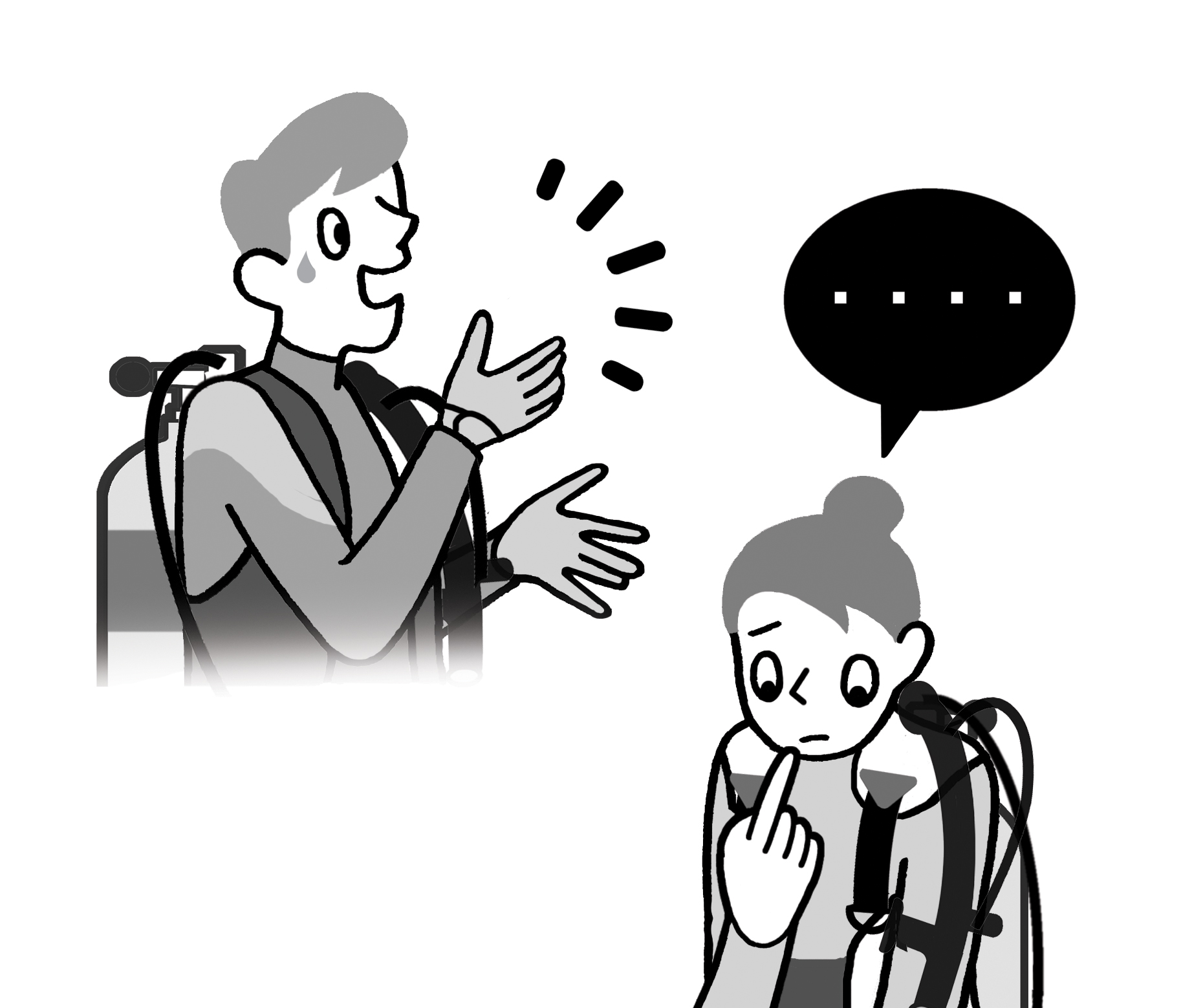
Talking excessively or becoming silent = stress response.
Nervousness = stress response.
Buddy distance = distance to shake hands.
No overtaking.
Ascent rate in STARS dive tables
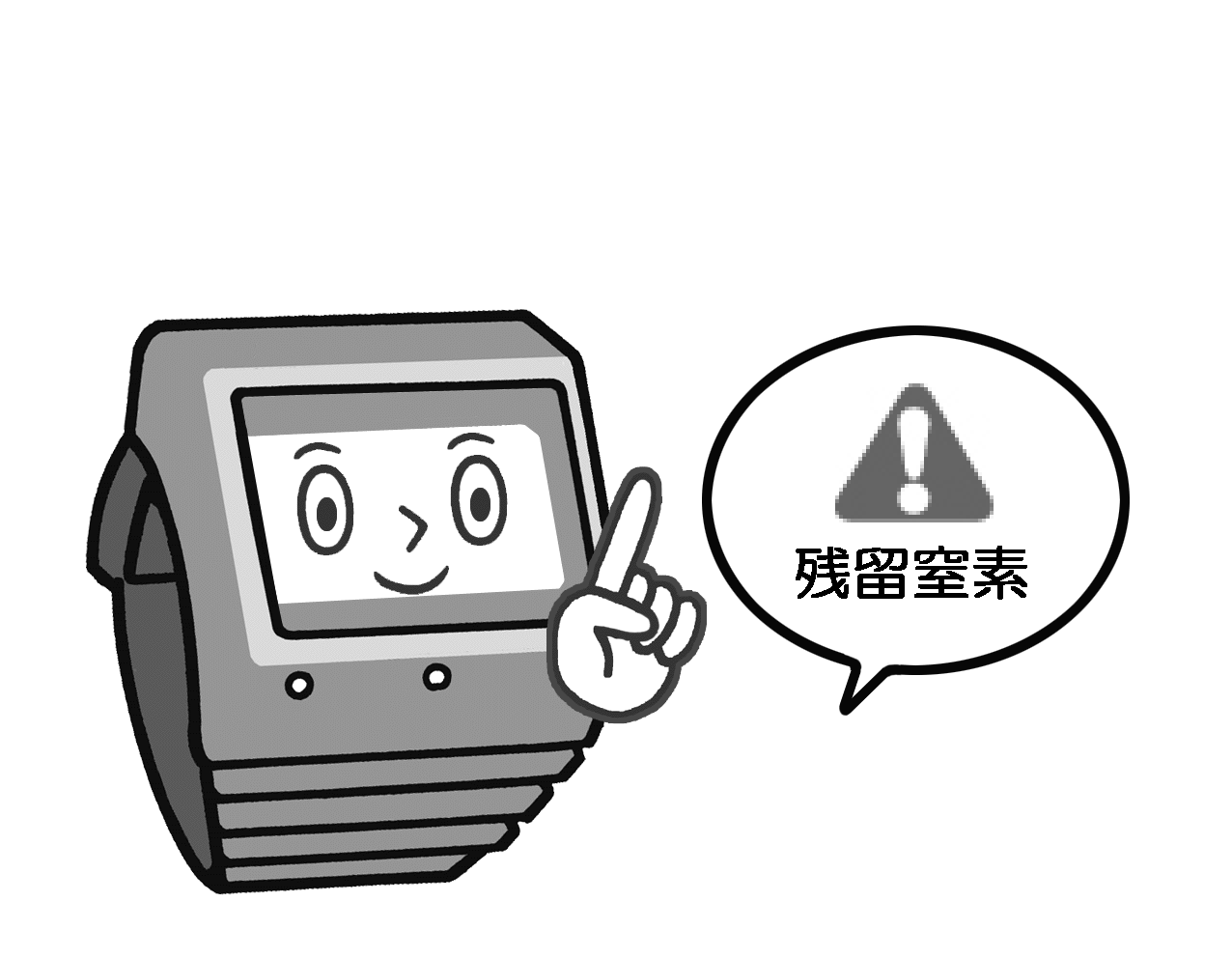
Check residual nitrogen time
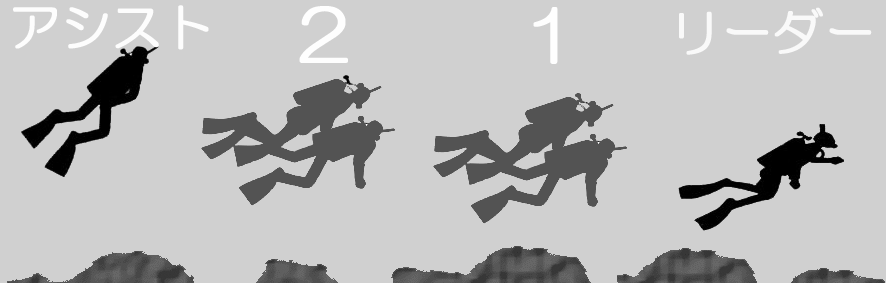
Basic formation
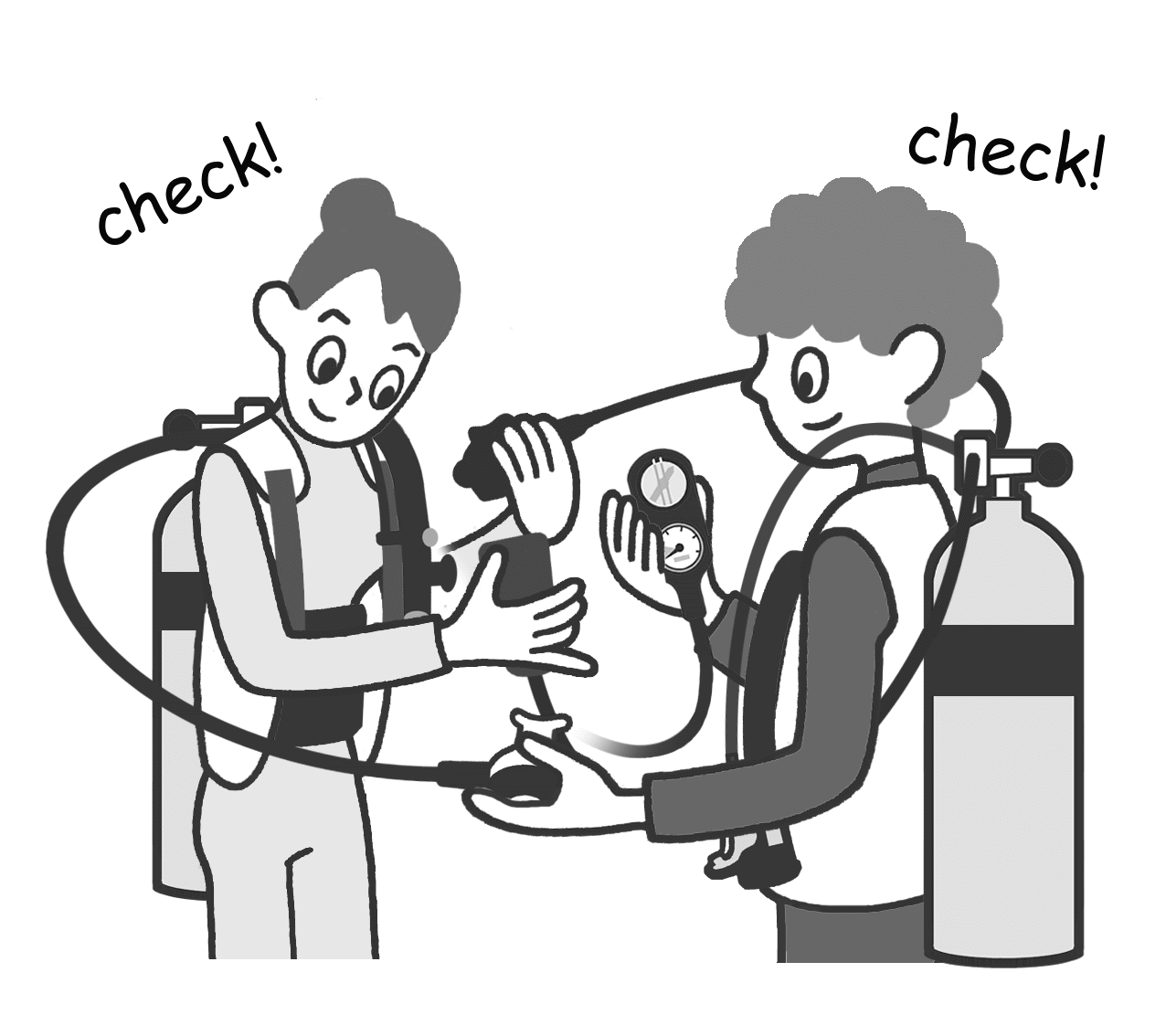
Do not forget to instruct buddy checks.
|



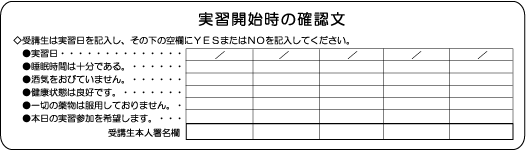
 Check daily
