■Entry and Surface Swim
Be mindful of other groups exiting the water.
Enter the water before the students.
Confirm that there are no dangerous areas or harmful marine life at the entry point before allowing students to enter.
Even when assisting a specific student during entry, always monitor their condition and behavior and provide necessary safety instructions.
Ensure students secure buoyancy and use their regulators, and have them perform a surface swim to the descent point while relaxed to avoid fatigue or stress.
■Pre-Descent Safety Check
Before descending, have everyone secure buoyancy and check physical condition and stress level.
They may feel tired or stressed after the surface swim. Maintain eye contact and communication to check breathing and fatigue levels.
Before descent, confirm descent method, underwater movement, and ascent procedures.
Begin descent after sufficient rest.
■Descent from Shore or Slope
①Experience Diving (non-standing water) underwater tours in the ocean and ②Tourist Diver Course (ocean training required for Open Water Diver course participation) use entry points such as shores or slopes with minimal wave impact and gradually increasing depth.
Begin descent from waist-depth water and gradually increase depth.
Maintain eye contact with students during descent so you can respond to issues such as ear discomfort or anxiety.
■Descent Using Surface Float
If students can descend without stress, a surface float and descent rope may be used in ①Experience Diving (non-standing water) underwater tours and ②Open Water Diver Course (i.e., ocean training after Entry Diver Course + Tourist Diver Course).
Also, for students with diving skills (e.g., those in the Advanced Open Water Diver Course or Specialty Diver Course), a surface float and descent rope may be used.
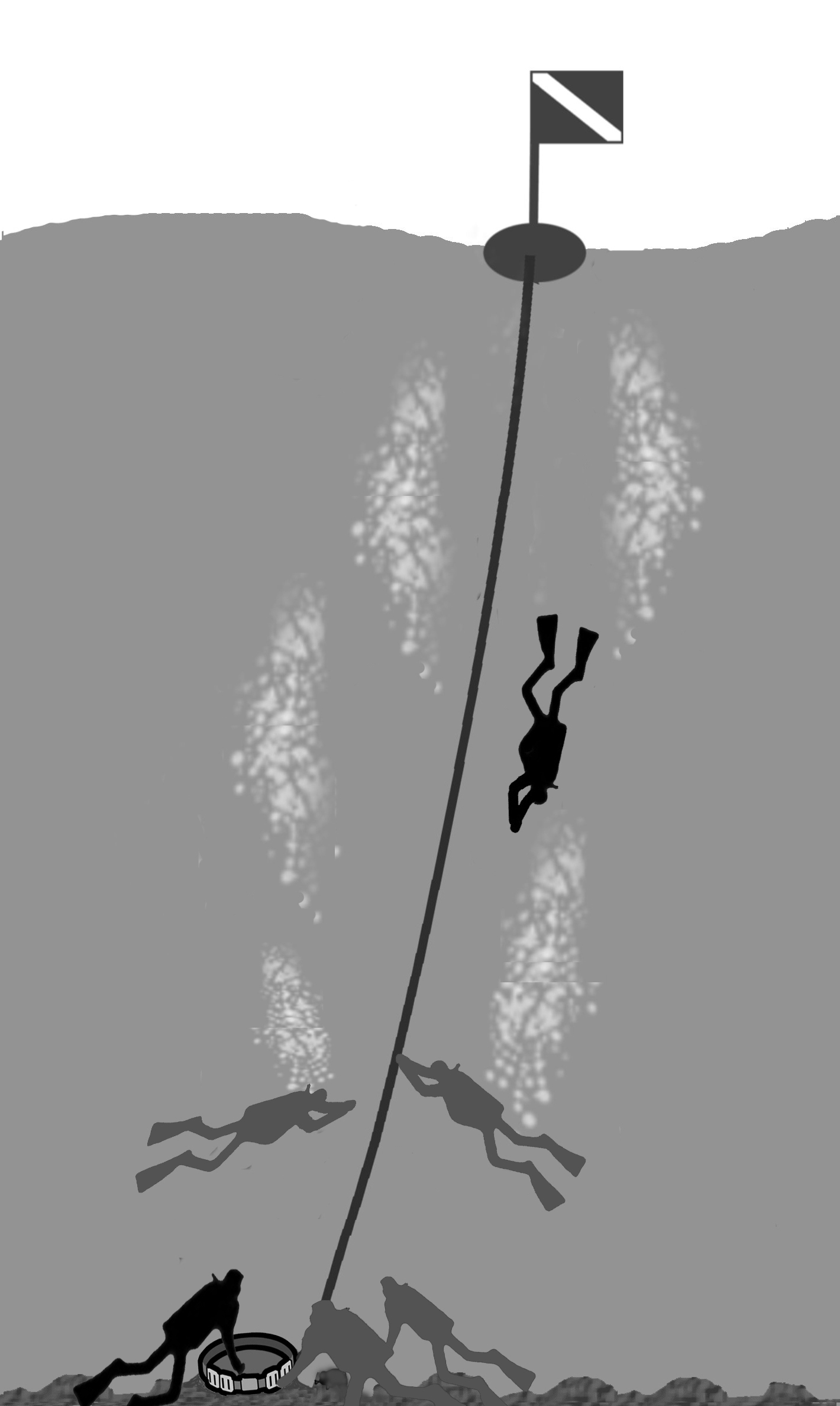
Using a descent rope makes it easier to monitor students. Inform them of the meeting point on the seabed beforehand to prevent separation.
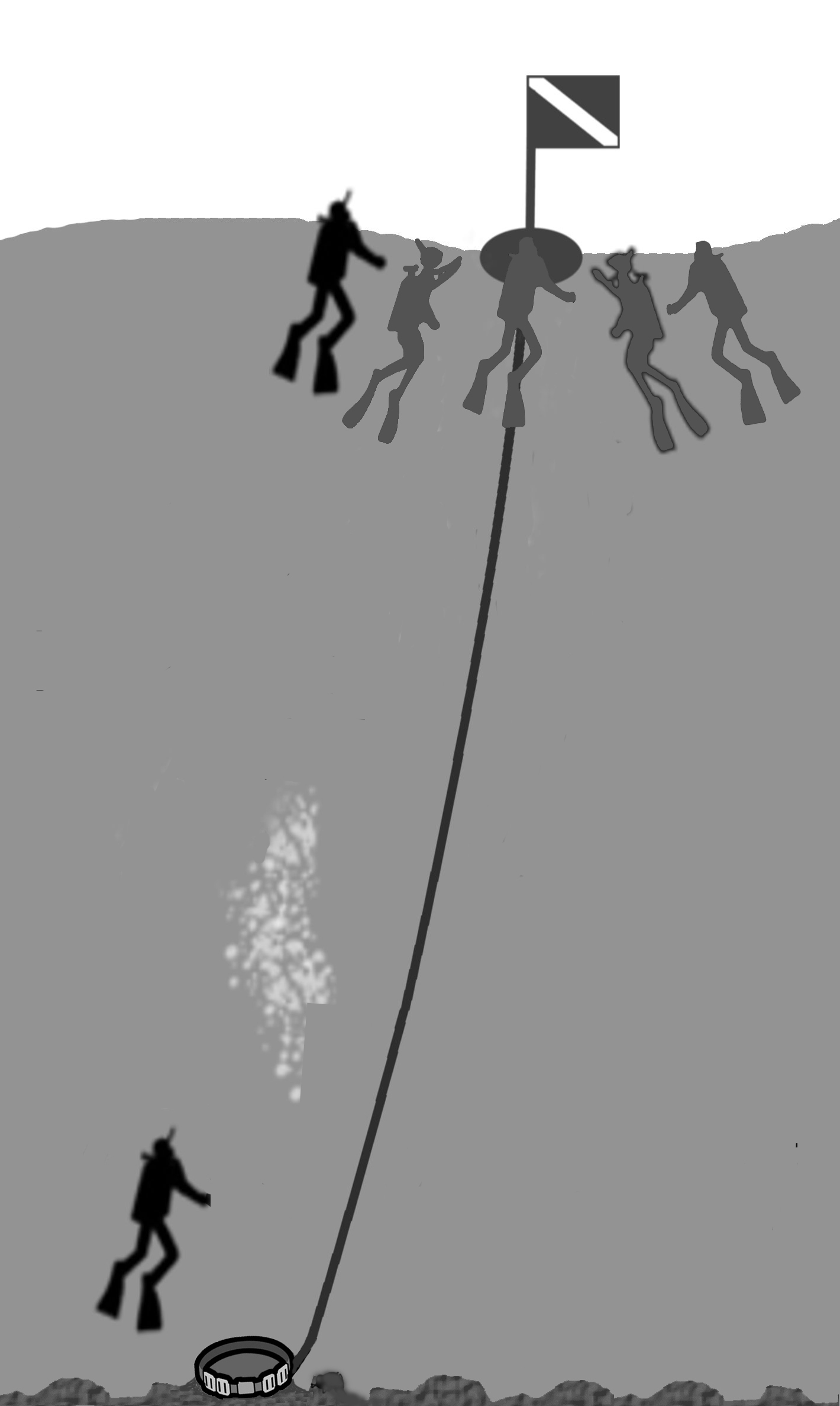
The area around the sinker (weight) anchoring the descent rope becomes the meeting point.
To allow quick response to student trouble, use surface floats and descent ropes that are pre-installed at the dive site. Do not install them after entry.
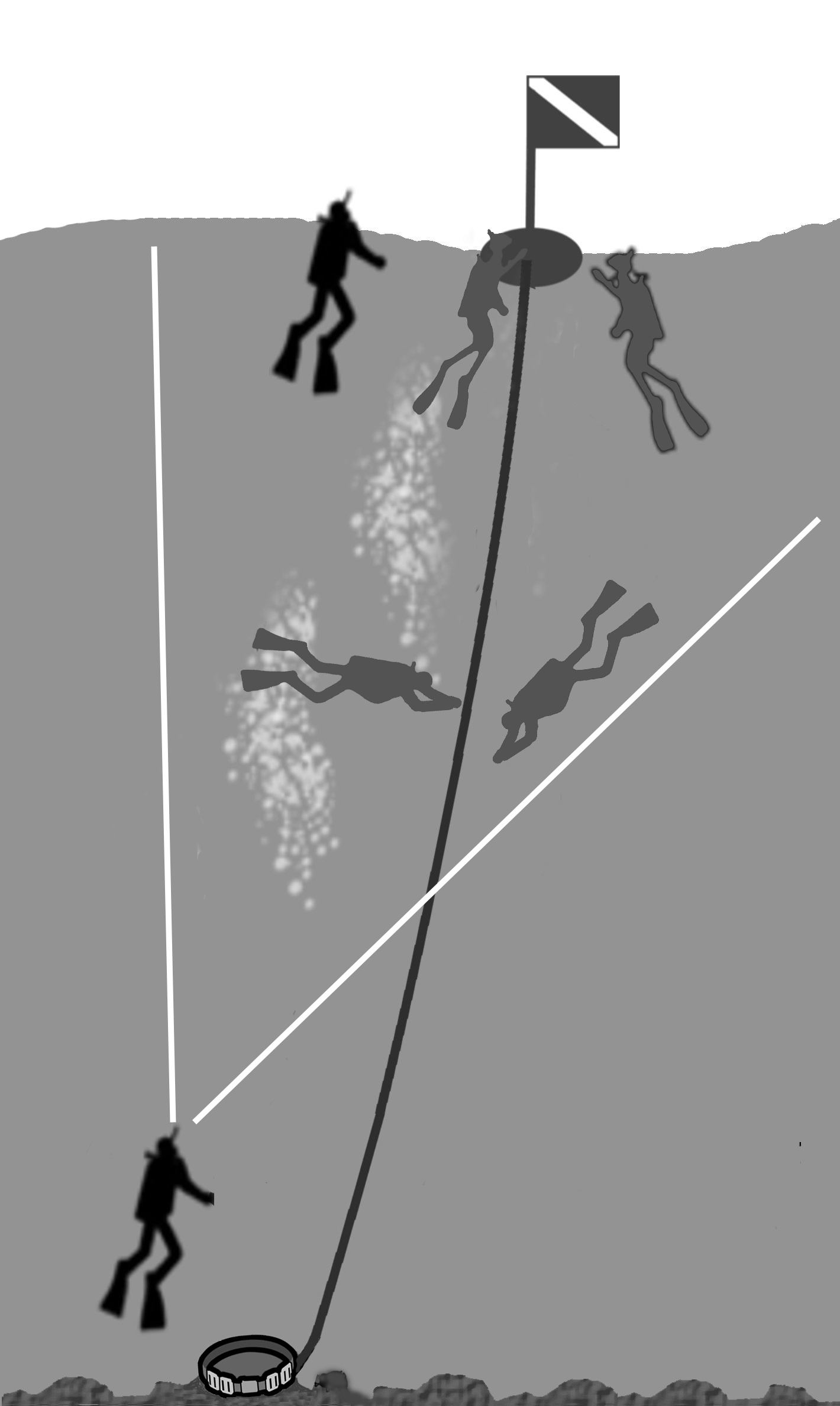
The instructor should descend first and confirm seabed safety upon arrival at the meeting point.
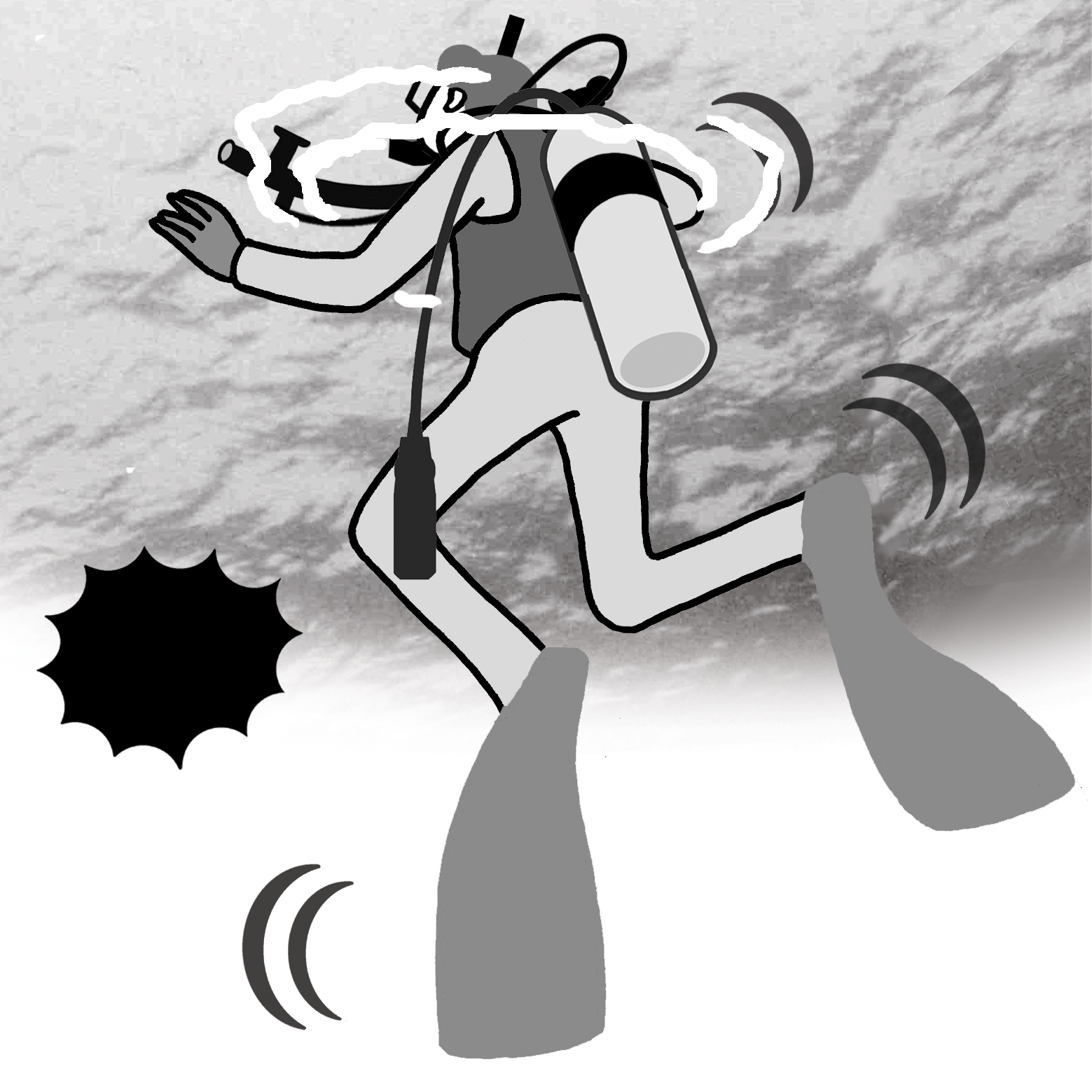
If a diver on the surface is flailing arms or legs, it may indicate panic. Continuously observe surface divers from the seabed.
After confirming safety of both seabed and surface divers, signal Buddy 1 on the surface to begin descent.
For Experience Diving (non-standing water) underwater tours, surface first and begin descent together with the students.
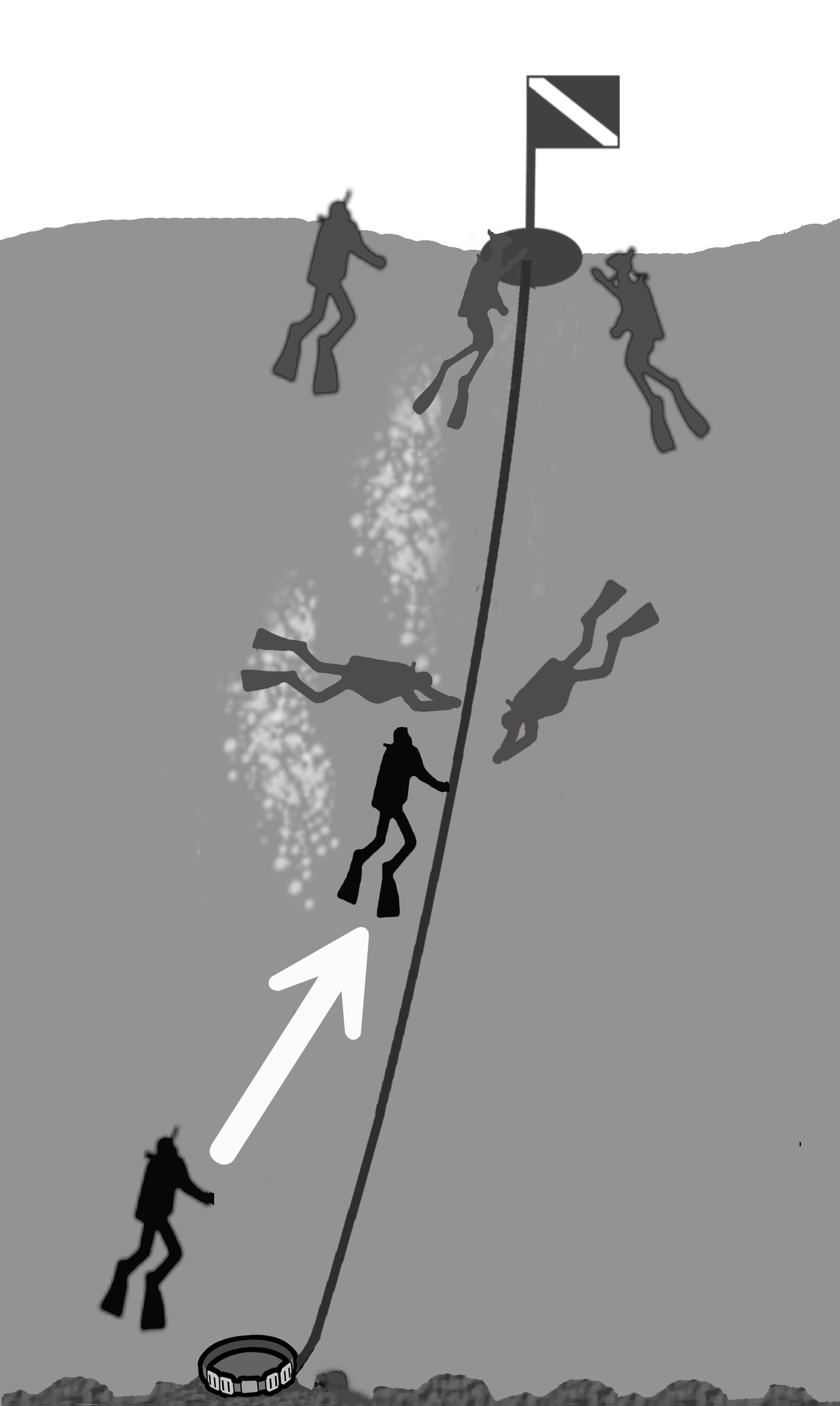
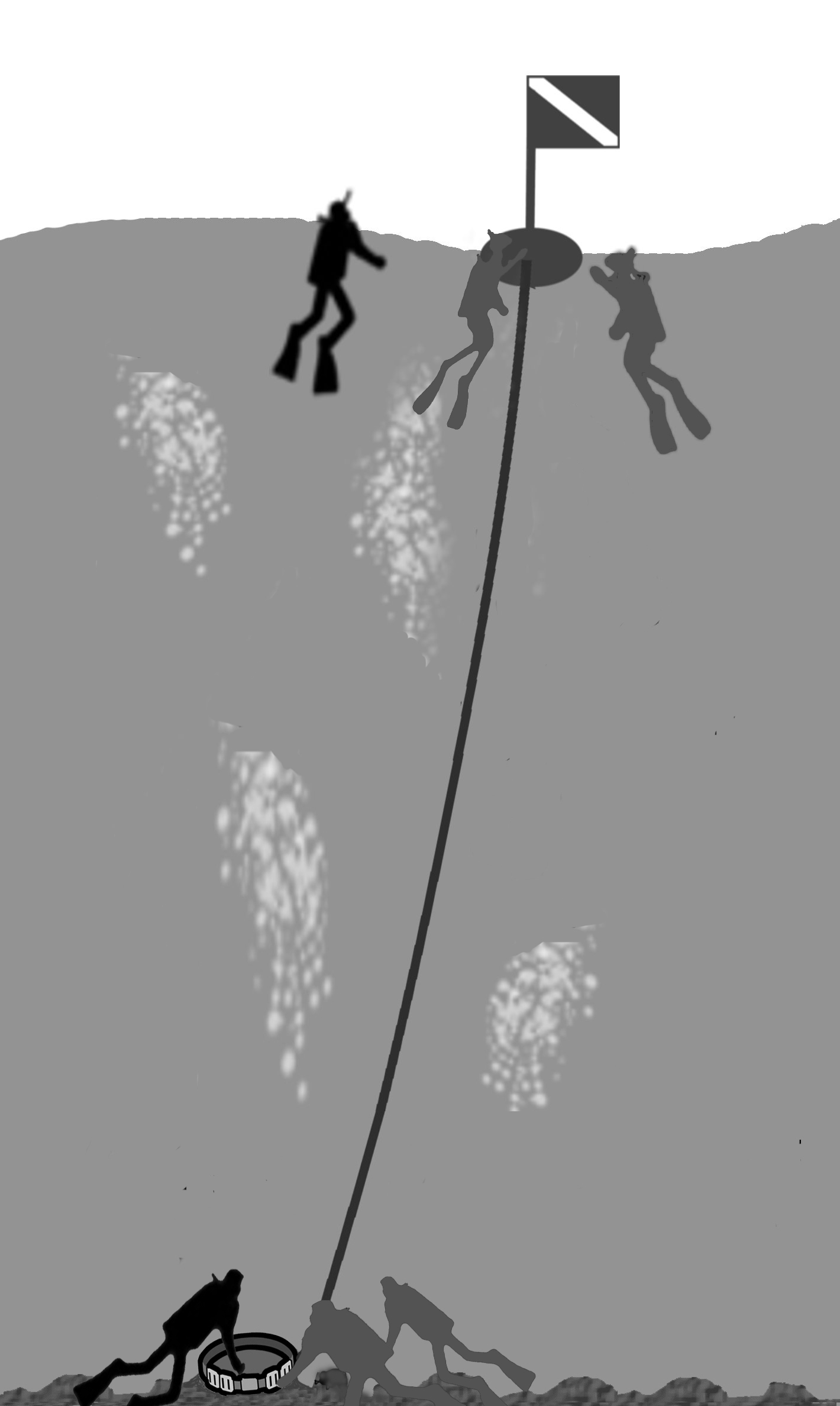
Have Buddy 1 descend first, followed by Buddy 2.
Place students who may require assistance during descent as Buddy 1 directly behind the instructor, and check their condition (ears, stress level) through eye contact.
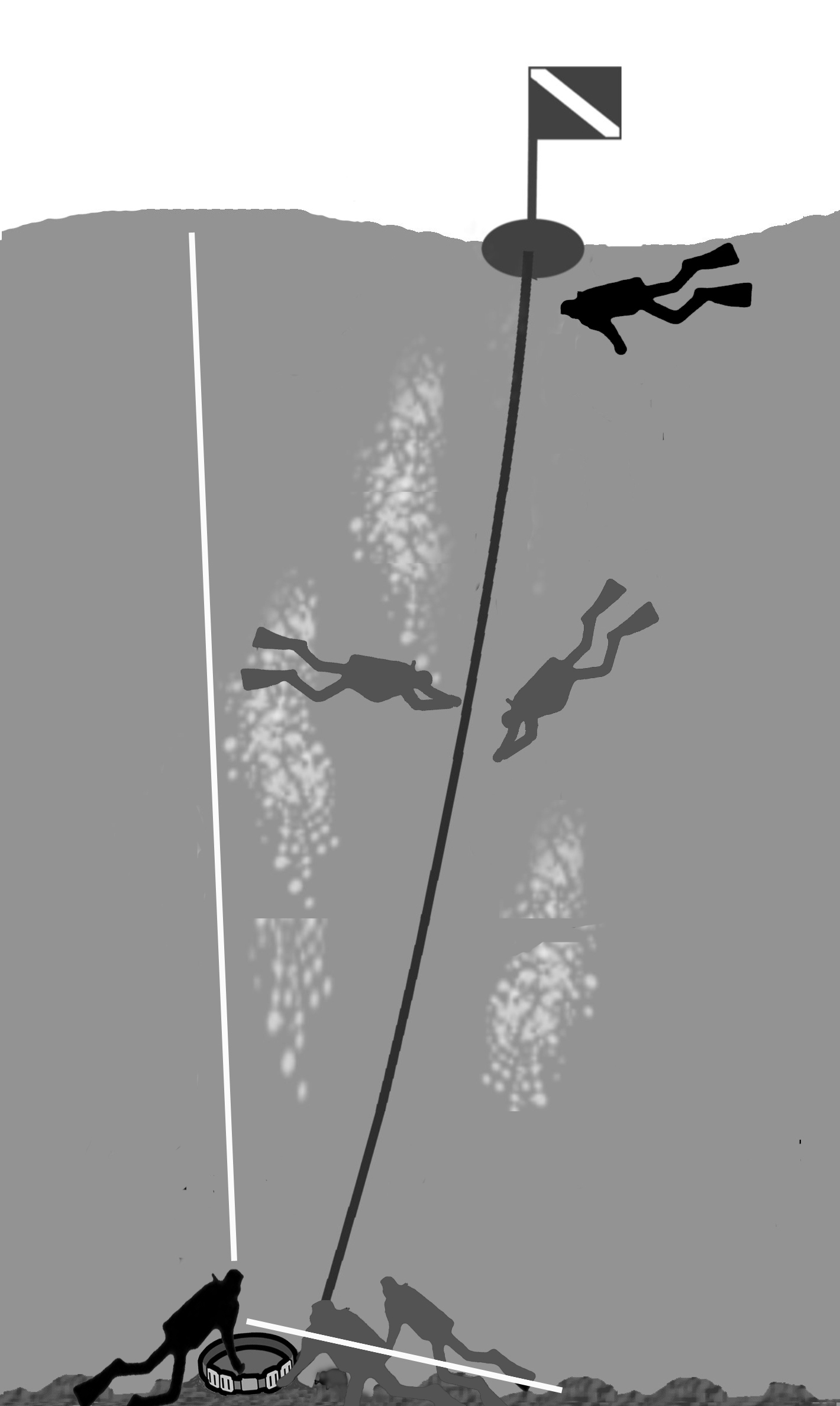
Within a limited field of view centered on the descent rope, monitor Buddy 1 descending along the rope and Buddy 2 waiting near the surface float.
When Buddy 1 arrives, make eye contact and confirm there are no abnormalities or breathing issues.
After confirming Buddy 1’s safety, signal Buddy 2 on the surface to descend.
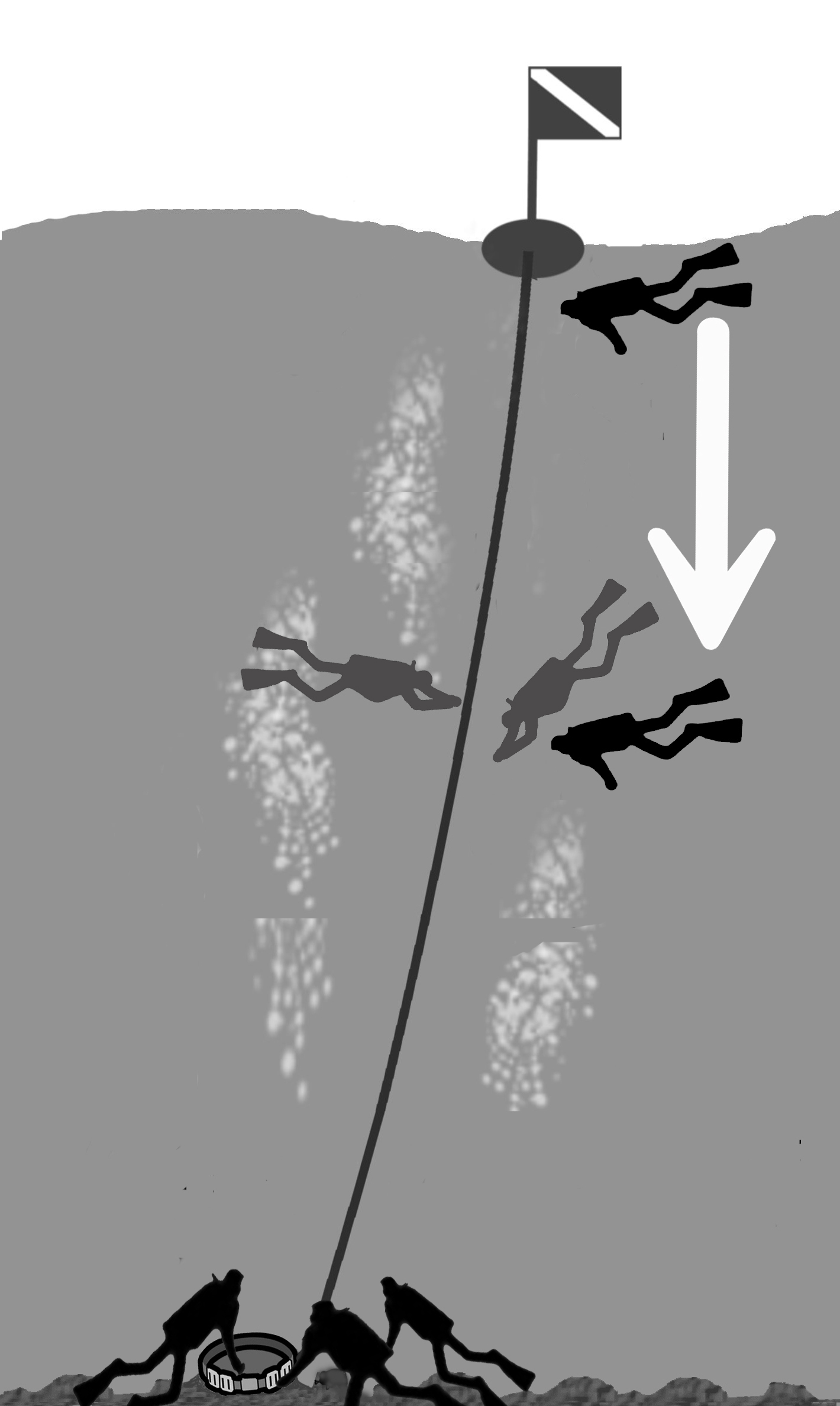
Within the limited field of view centered on the descent rope, monitor Buddy 2 descending and Buddy 1 on the seabed.
If there is an assistant, they assist Buddy 2 on the surface.
If there is no assistant, the instructor does not assist Buddy 2.
If Buddy 2 cannot descend, have everyone surface once and change formation (buddy configuration or descent order), or switch to a gradual descent method starting from waist-depth water.
Finally, the assistant descends.
|
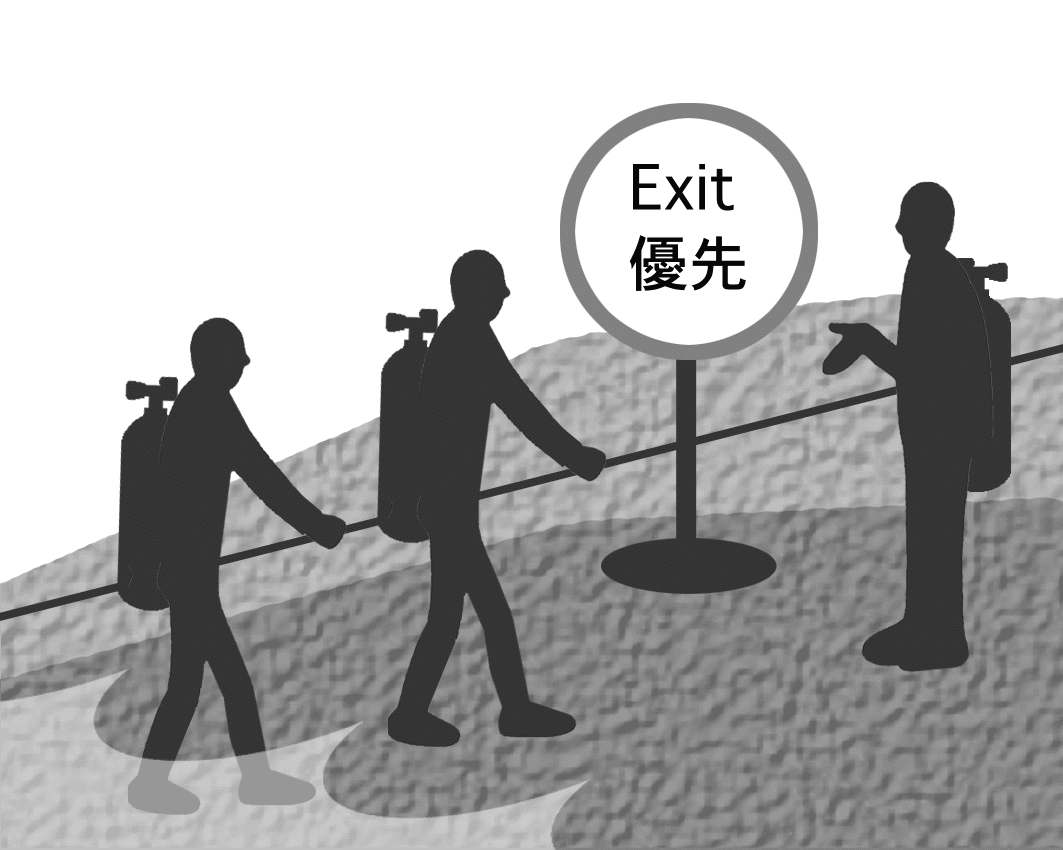
Wait for exit
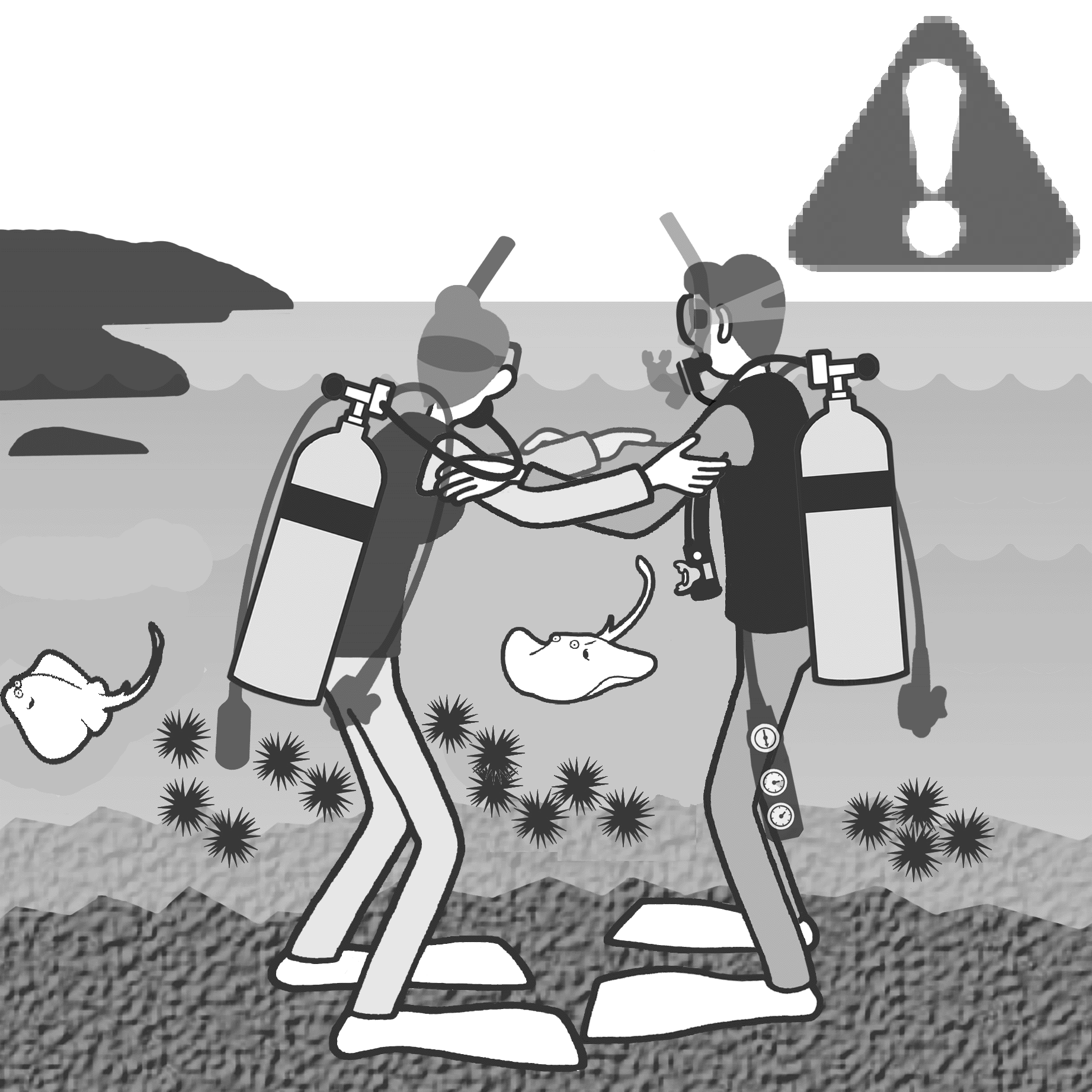
Beware of sea urchins.
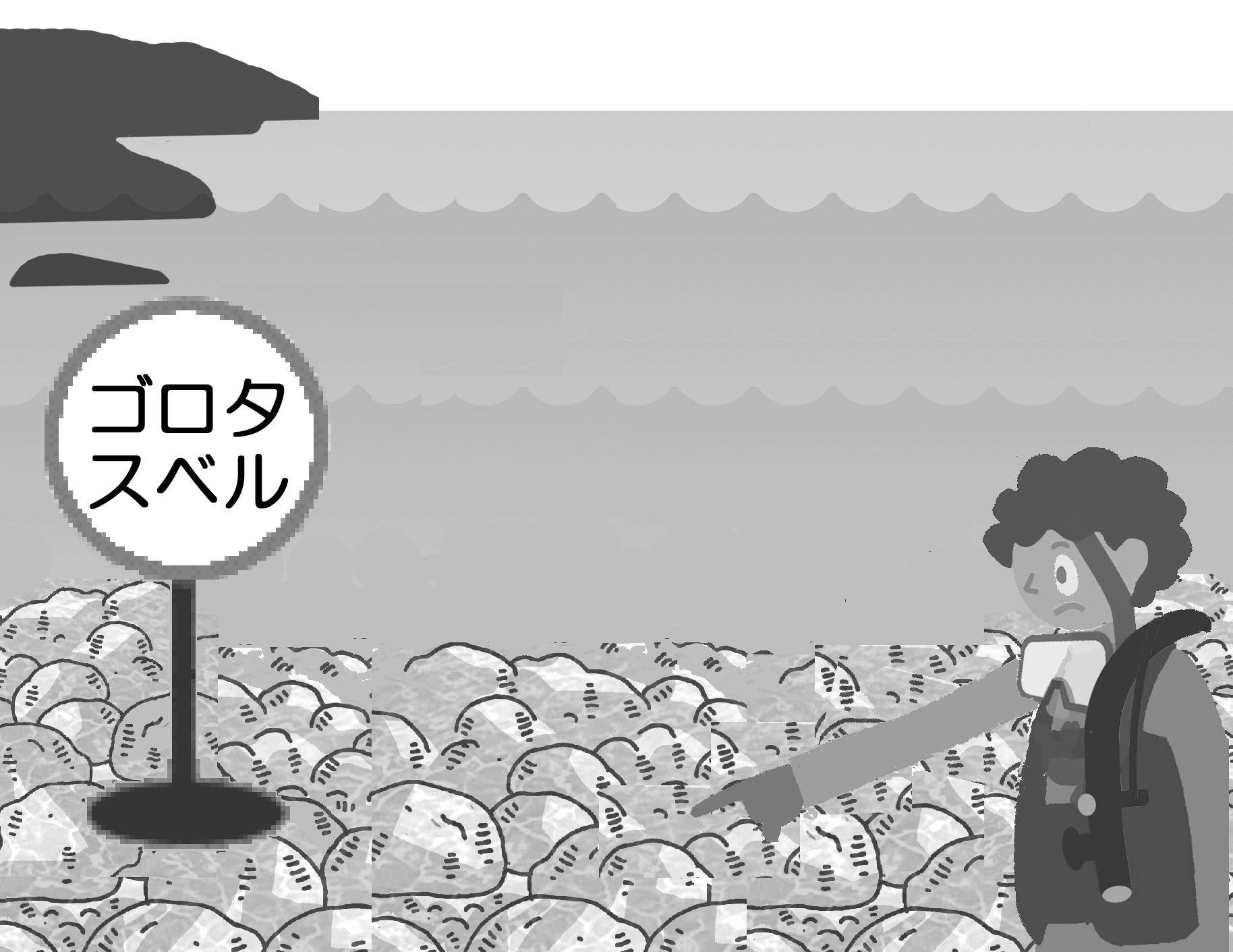
Watch your footing.
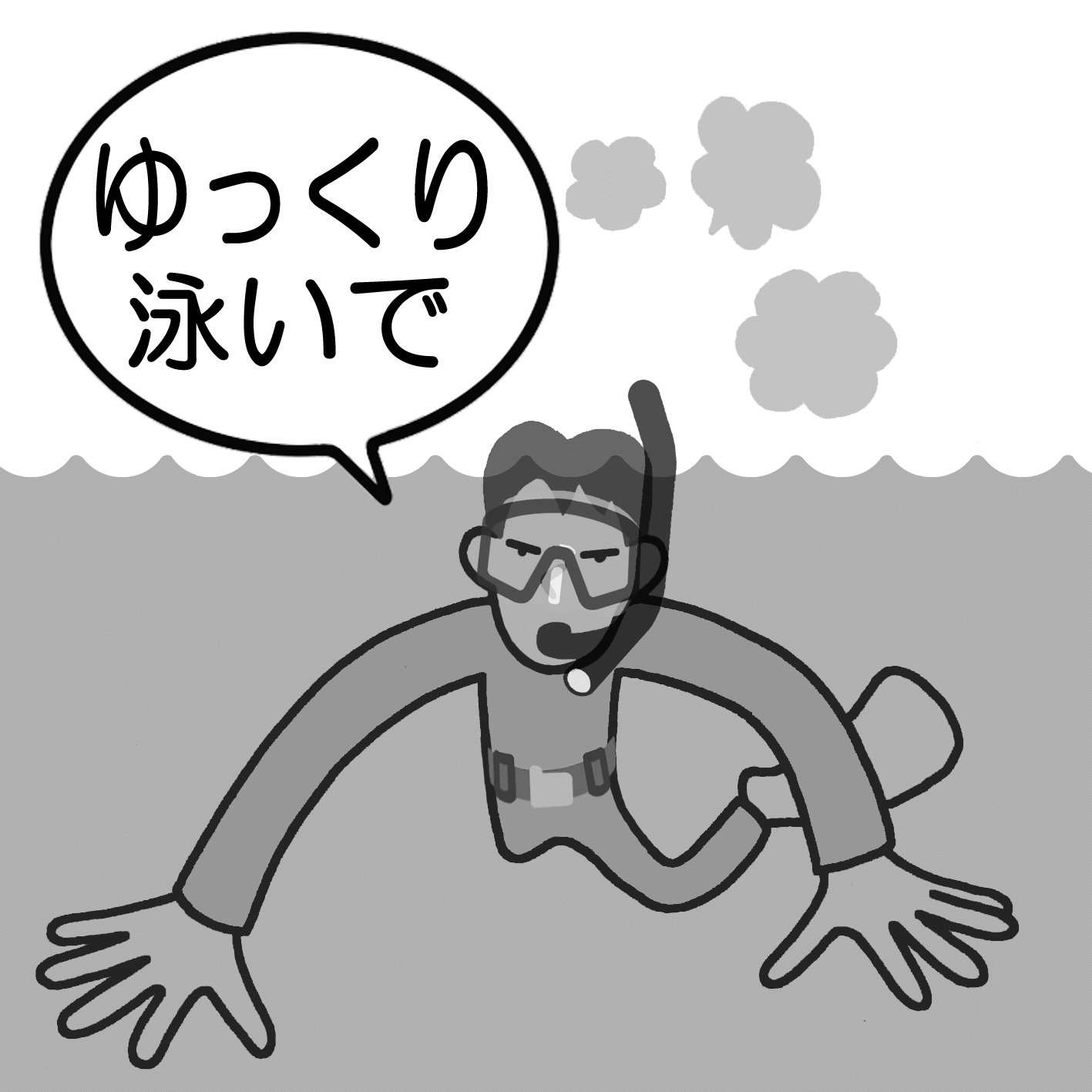
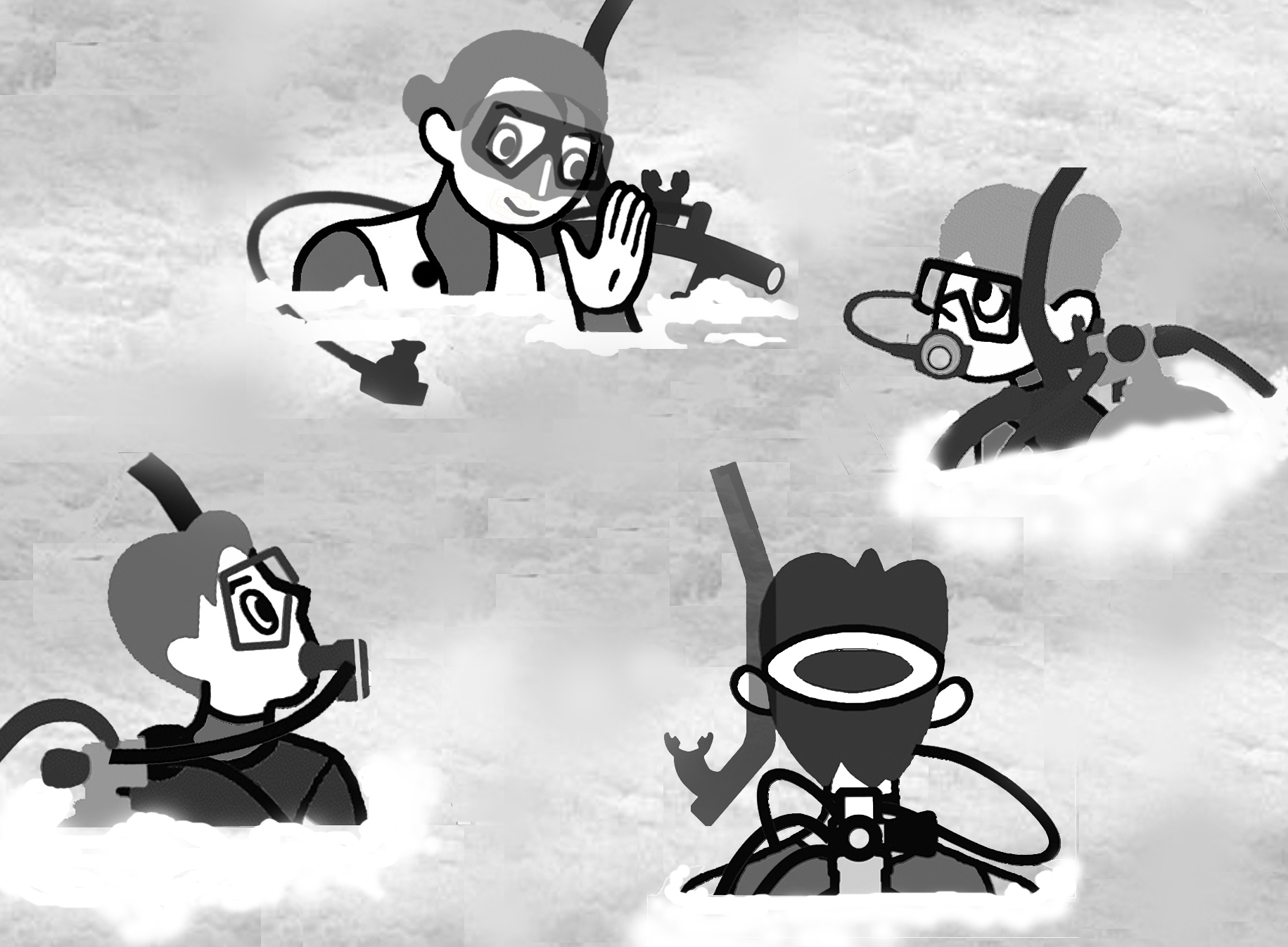
Reconfirm safety on the surface.
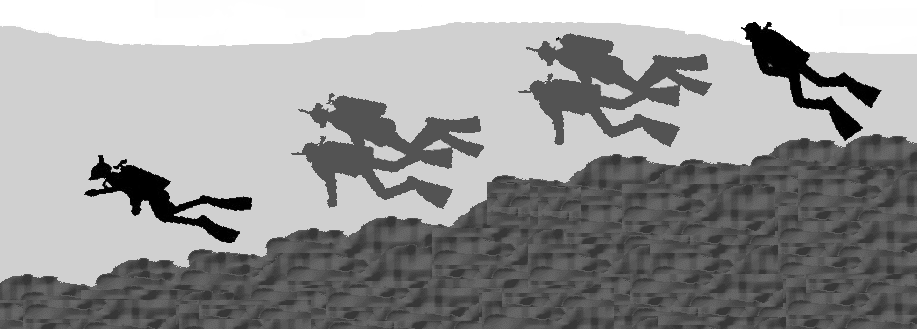
Start diving from waist depth
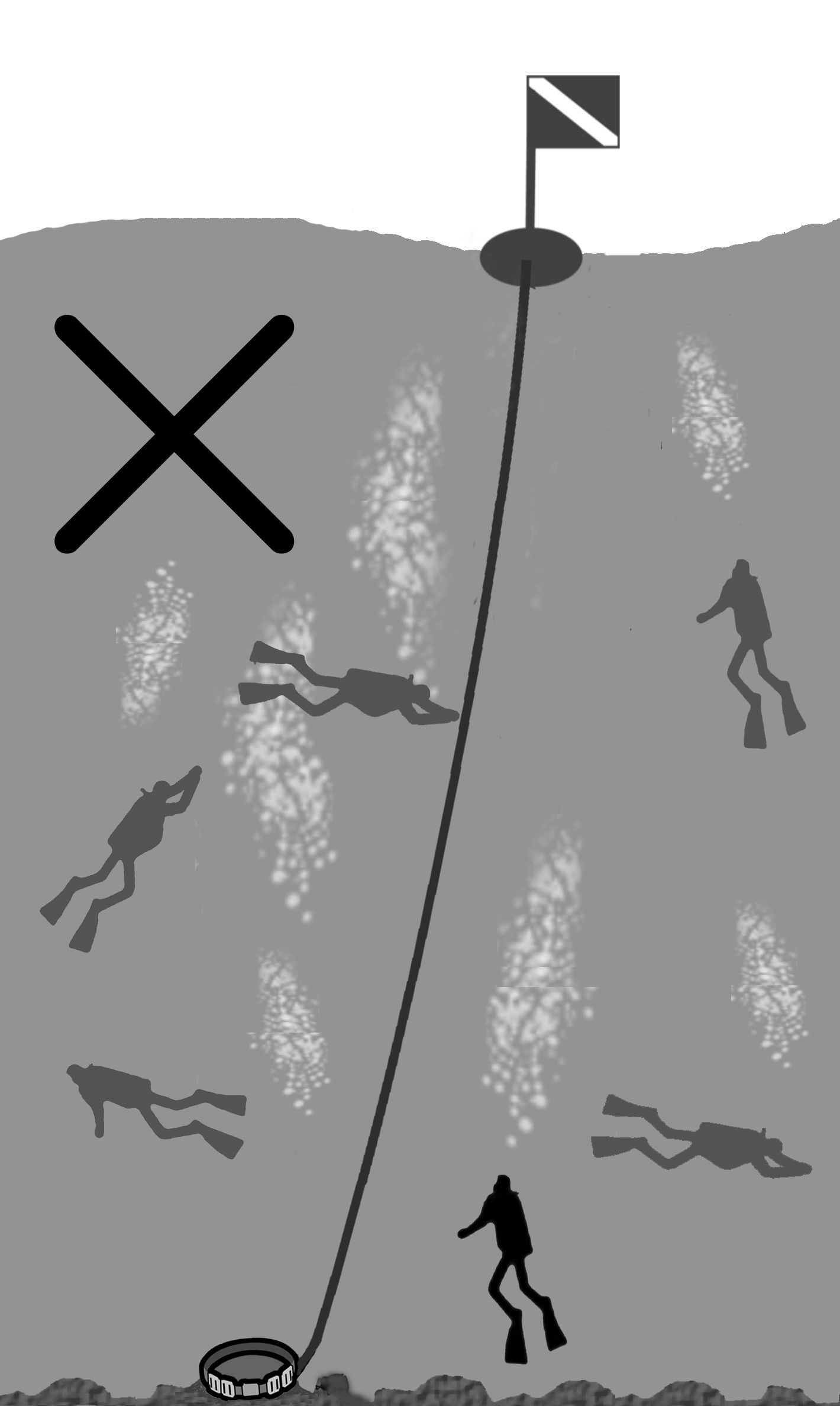
Do not scatter
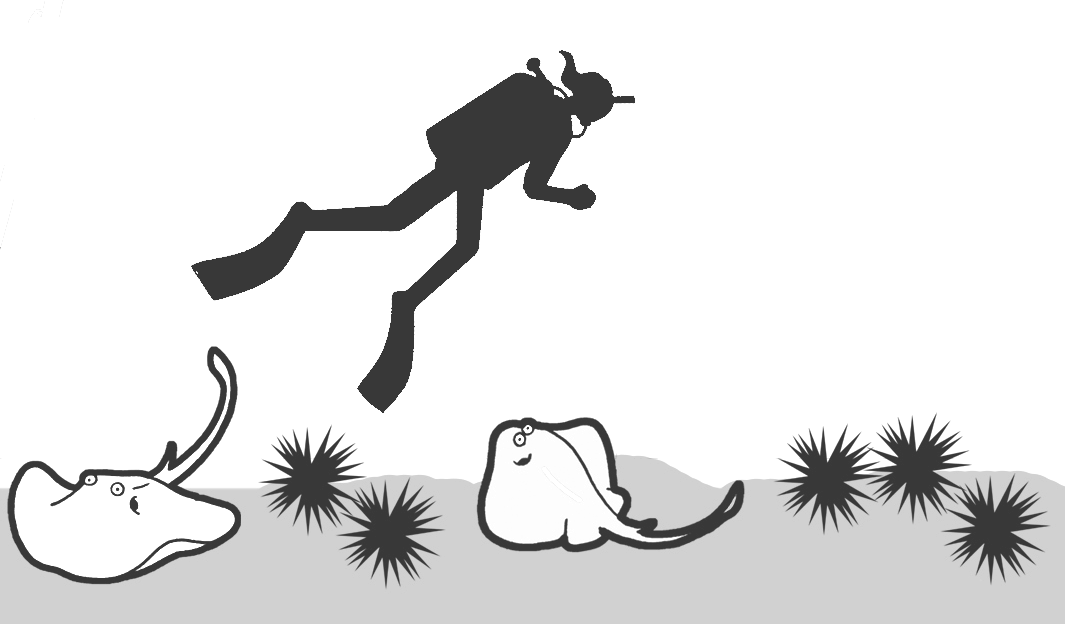
Not here
Watch divers’ feet
|




