■Underwater Movement and Skills
Once all students have gathered on the seabed and you have confirmed each student’s remaining air and that no one has any problems, begin underwater movement and underwater skills.
When conducting underwater skills, instruct the order so that multiple students do not perform skills at the same time.
Also, during underwater skills and underwater movement, maintain eye contact and constantly check for any stress reactions in students.
Adjust the planned dive course flexibly according to the student with the lowest remaining air.
The return route is not necessarily the same as the outbound route.
You may take a shortcut to the exit point, so always be aware of the direction of the exit point and the students’ remaining air.
Always keep the entire team within your field of view and monitor their condition and behavior while maintaining team control.
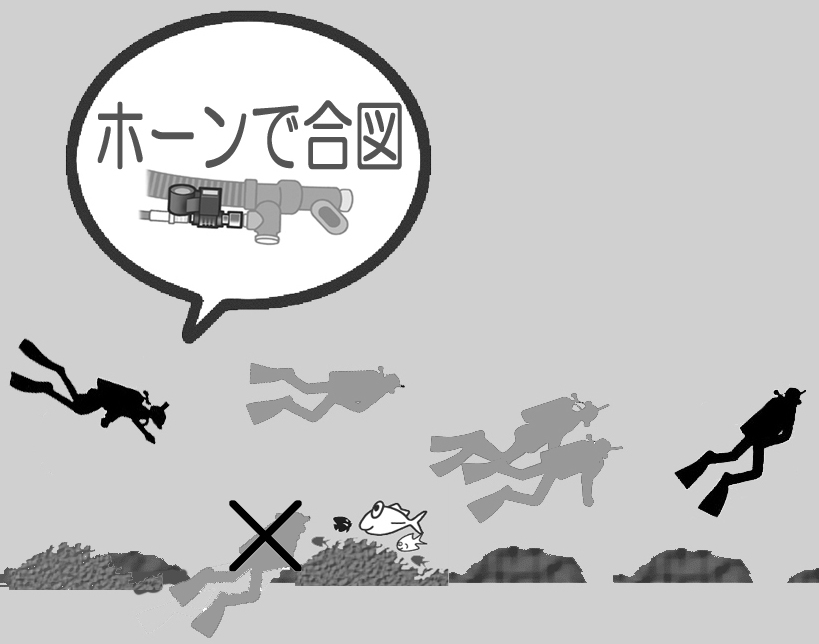
The lead instructor or the assistant at the rear should monitor the entire team, and if buddies become separated or trouble occurs, signal everyone using an underwater horn or similar device.
In the unlikely event that a student becomes separated from the team, the assistant should conduct the search while the instructor ensures the safety of the other students.
If a problem such as a tank slipping off occurs, the instructor should maintain overall team control and monitoring, and have the assistant handle individual issues.
■Ascent Method for the 1st and 2nd Ocean Training Dives
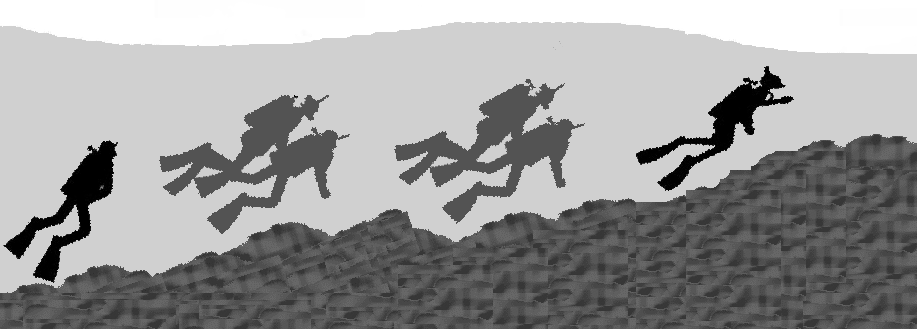
The 1st and 2nd ocean training dives should use an ascent method where the depth gradually becomes shallower until reaching waist depth.
Maintain eye contact with students during ascent so you can respond to issues such as ear discomfort or stress level.
■Ascent Method for the 3rd and 4th Ocean Training Dives
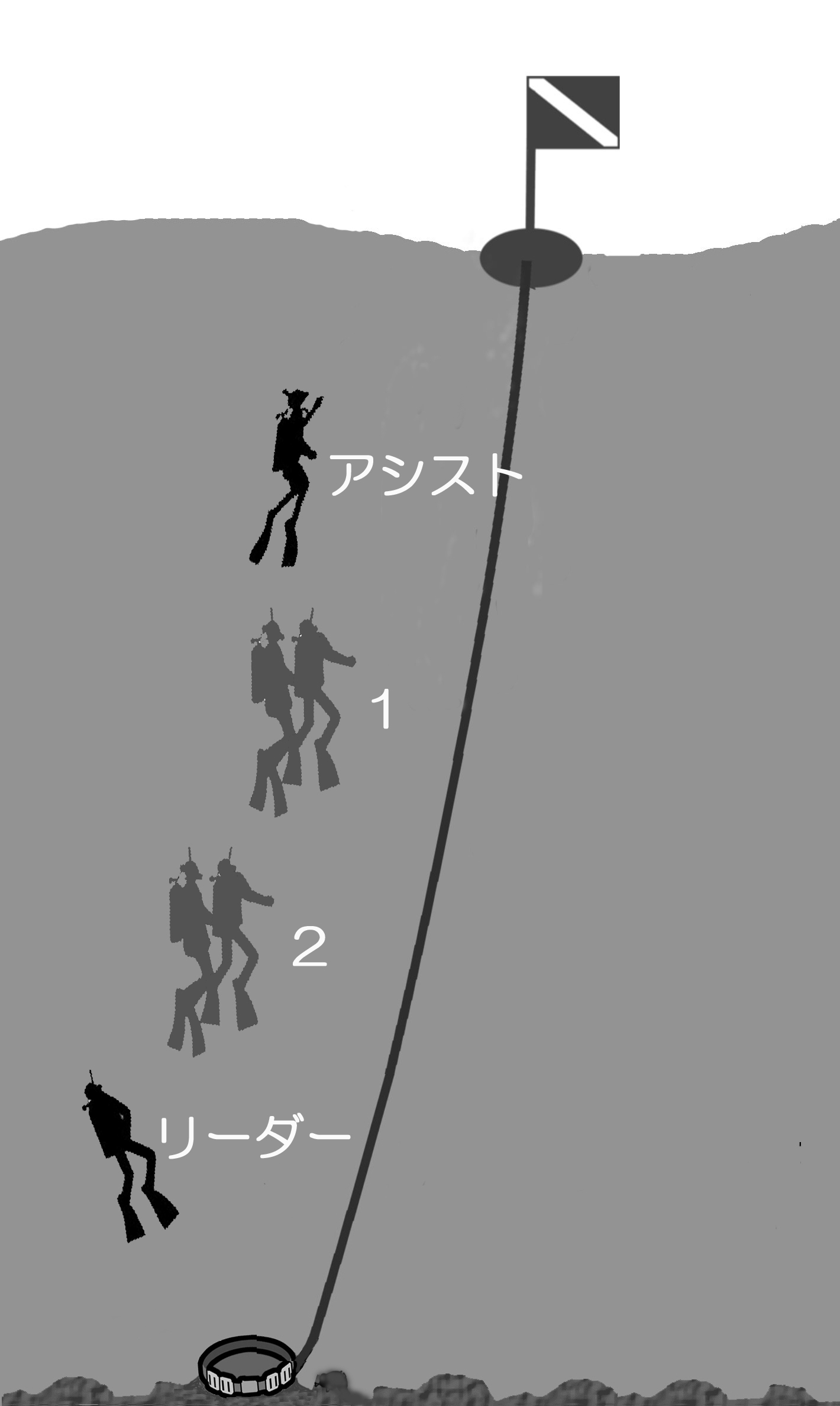
If students can ascend without stress during the 1st and 2nd ocean training dives, the 3rd and 4th ocean training dives can use a surface float and descent rope for ascent.
Confirm that there is sufficient remaining air for ascent.
The assistant leads the ascent.
If there is no assistant, the instructor leads the ascent.
The instructor should ascend while confirming that no students remain on the seabed.
If a student experiences reverse block during ascent, return to a depth where the pain subsides and then ascend slowly.
Always perform a safety stop.
Ensure that all students surface near the surface float.
|
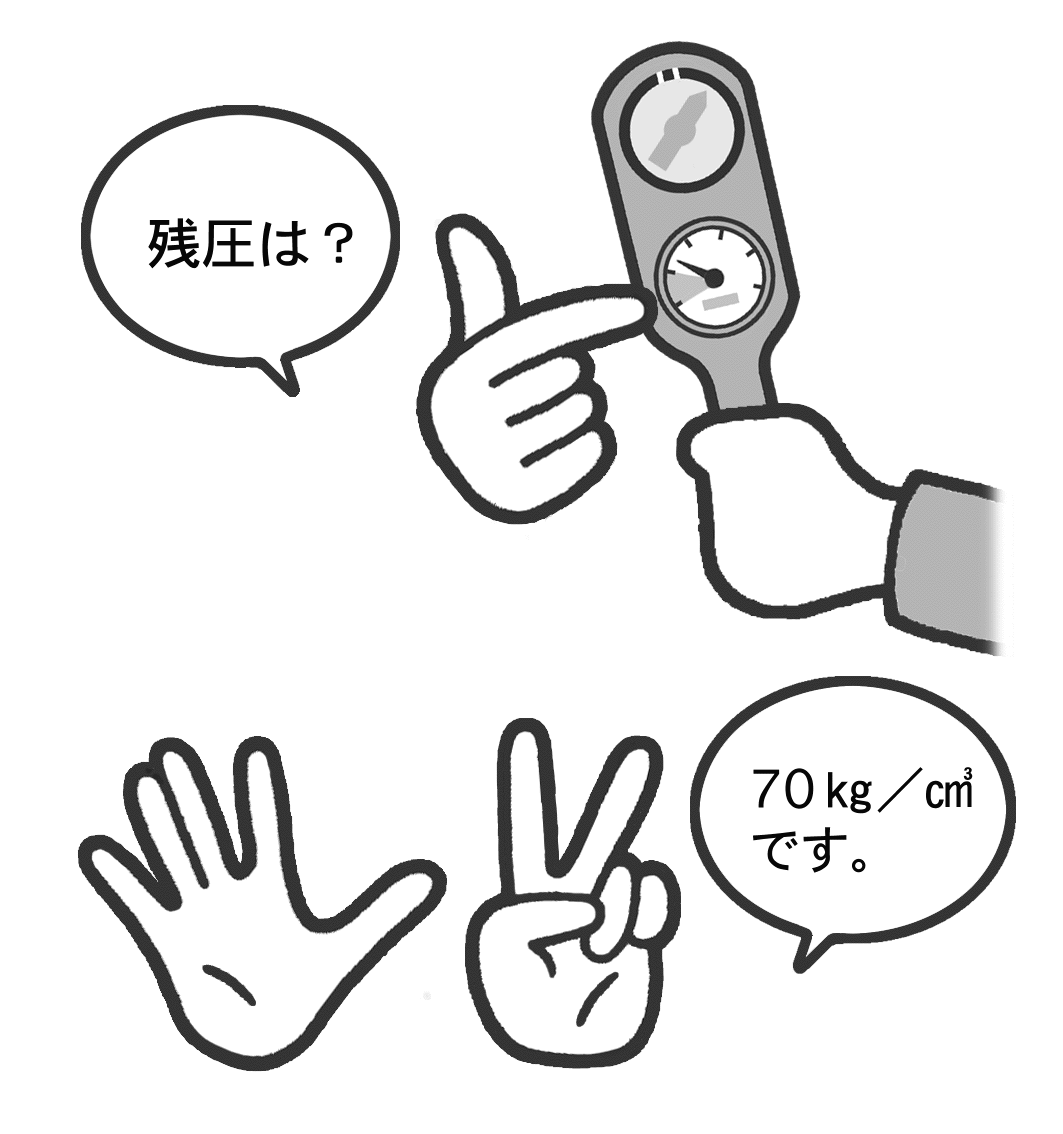
Air OK
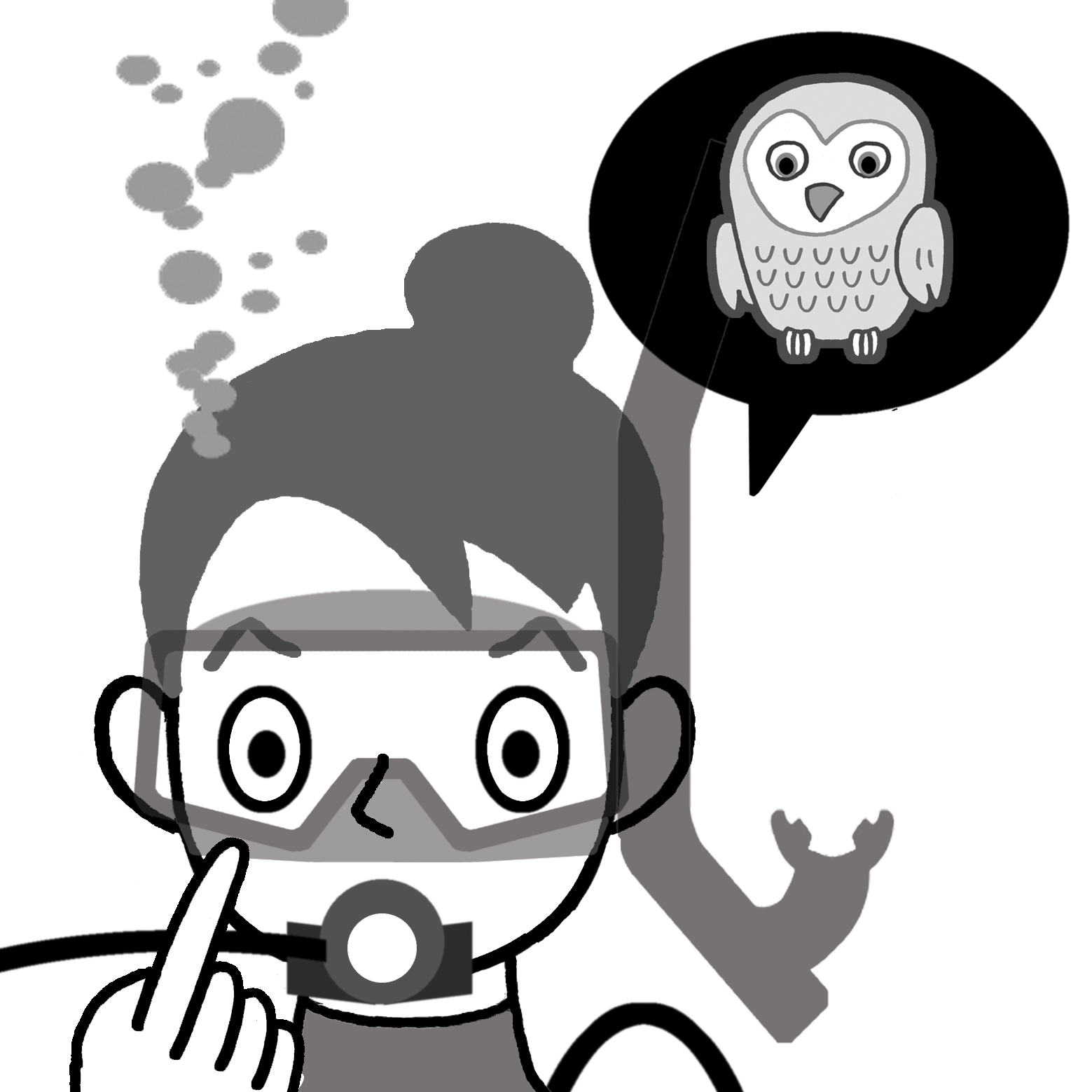
No distracted members?
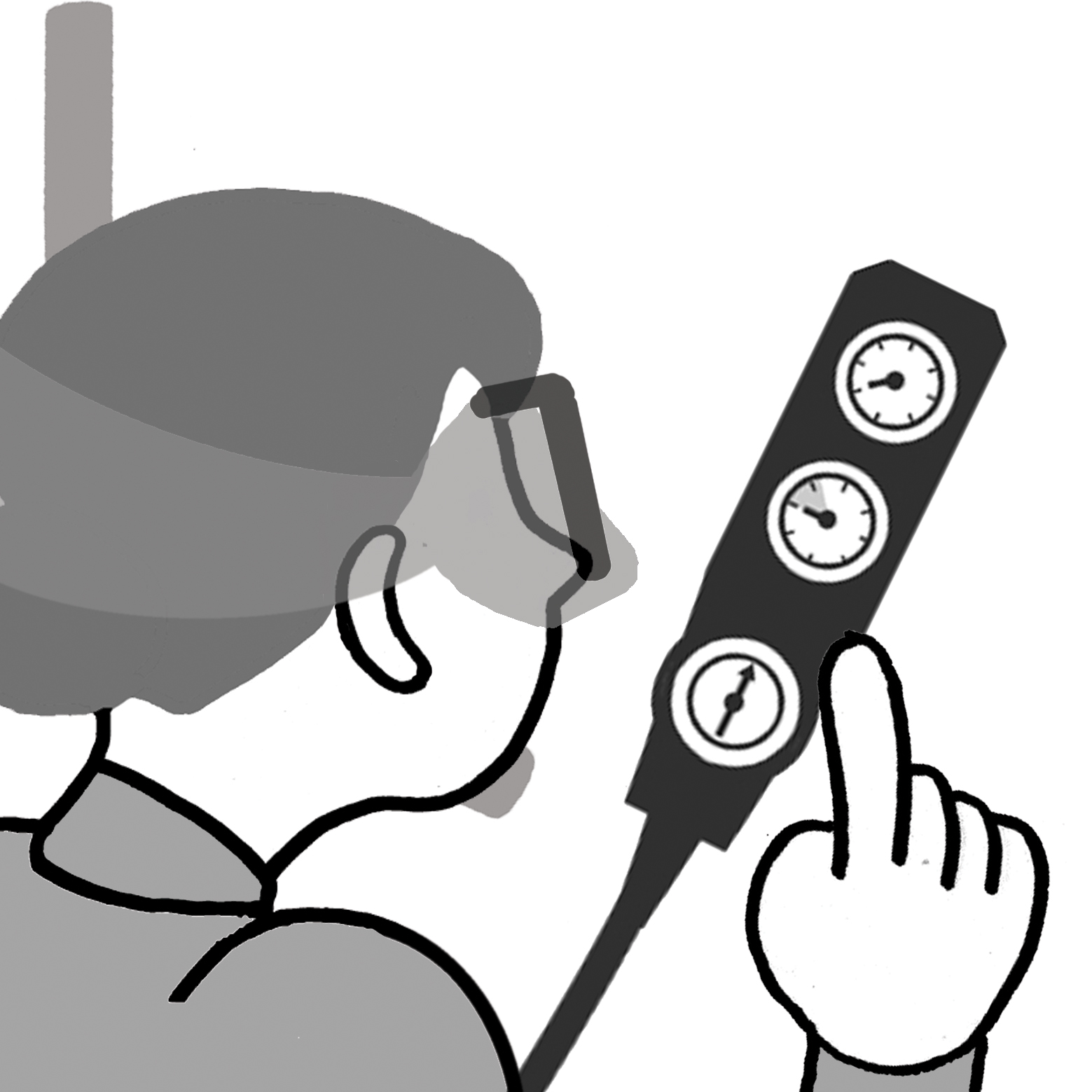
No one fixated on the gauge?
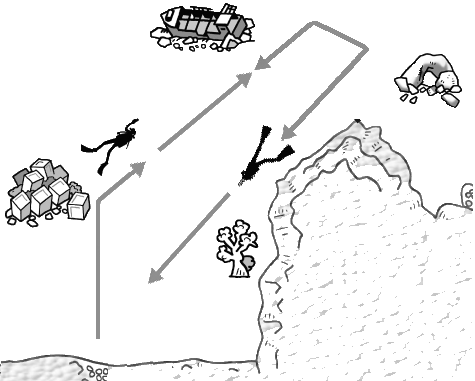
Always check direction and remaining air
Confirm no students remain on the seabed
|




