
Holiday Complete Healing
Certification card
Self rescue equipment
Self rescue technique1
Self rescue technique2
Self rescue technique3
Self rescue technique4
Self rescue technique5
Self rescue technique6
Diver stress1
Diver stress2
Buddy stress response1
Buddy stress response2
Assist rescue equipment
Assist rescue technique1
Assist rescue technique2
Assist rescue technique3
Assist rescue technique4
Assist rescue technique5
|

|
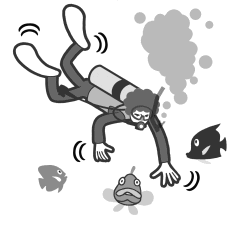
■ Buoyancy Stress
Inadequate buoyancy control increases task loading and can reduce awareness and comfort underwater.
Improving buoyancy skills helps conserve energy, protect the environment, and maintain better control during the dive.
Additional training, such as a buoyancy-focused specialty program, can further develop these skills.
|
Loss of trim and buoyancy control |
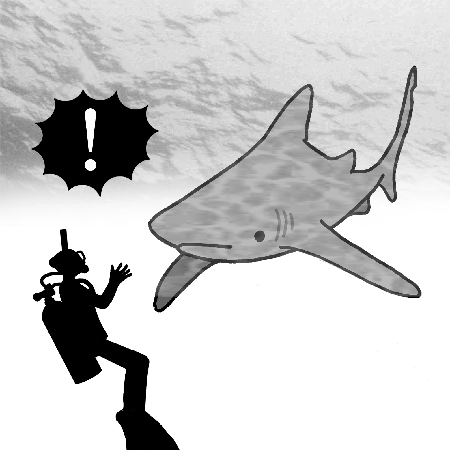
■ Physical Hazard Stress
Physical hazard stress may occur when you perceive a risk from strong currents, entanglement hazards, or potentially harmful marine life.
Reduce risk by planning conservatively, diving within training limits, and using appropriate equipment.
When diving an unfamiliar site, dive with a qualified guide or instructor and follow local procedures.
|
 |
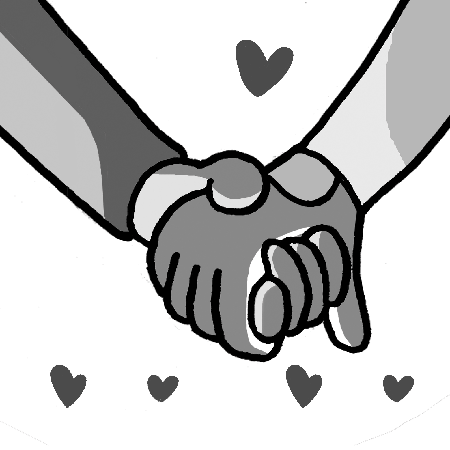
■ Ego-Related Stress
Ego-related stress may occur when pride or self-image affects decision-making or communication.
Maintain respectful teamwork, communicate calmly, and support your buddy to keep the dive safe and enjoyable.
|
 |
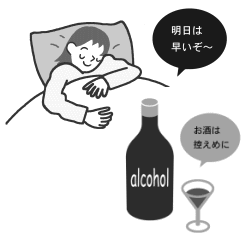
■ Illness and Condition-Related Stress
Feeling unwell due to illness, fatigue, dehydration, or a hangover can increase risk and reduce performance underwater.
Prior to diving, get adequate sleep, hydrate, and avoid excessive alcohol consumption.
If you feel unwell, do not dive. Inform the dive leader and rest until fully recovered.
|
 |
|
|
  |
|
