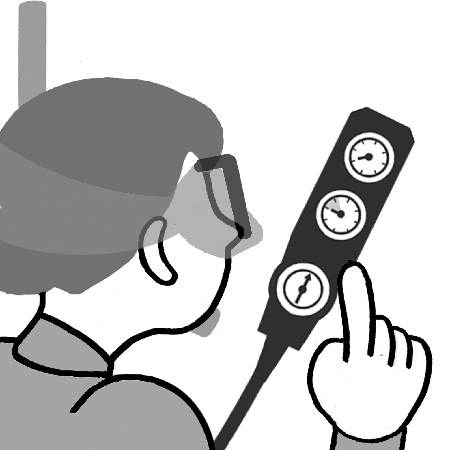
Repeatedly checking the pressure gauge or swimming in the same area without effective problem-solving may indicate increasing stress or confusion.
Repetition without effective decision-making
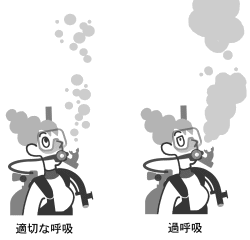
■ Rapid Breathing
Stress may cause breathing to become fast and shallow, increasing gas consumption and reducing comfort.
Observe exhalation bubbles and breathing rhythm for signs of rapid or labored breathing.
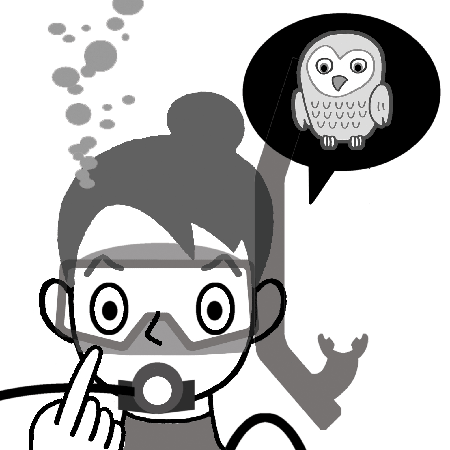
■ Wide Eyes
Eyes that appear unusually wide or fixed may indicate anxiety. This may be visible even through the mask.
Wide, fixed gaze
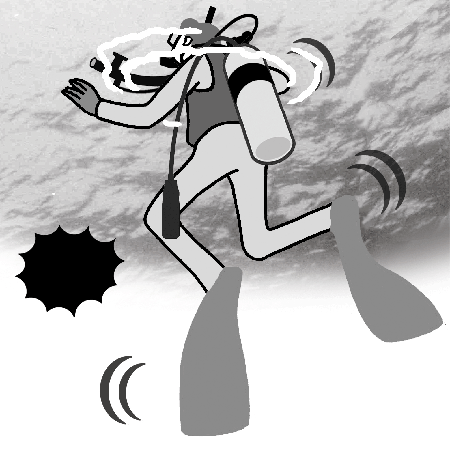
■ Surface Anxiety
At the surface, a stressed diver may kick and wave arms excessively even when positive buoyancy is established with the BCD, often keeping the face tilted upward to avoid taking in water.
Once buoyant, focus on controlled breathing and maintain a stable position at the surface. Unnecessary movement increases fatigue.