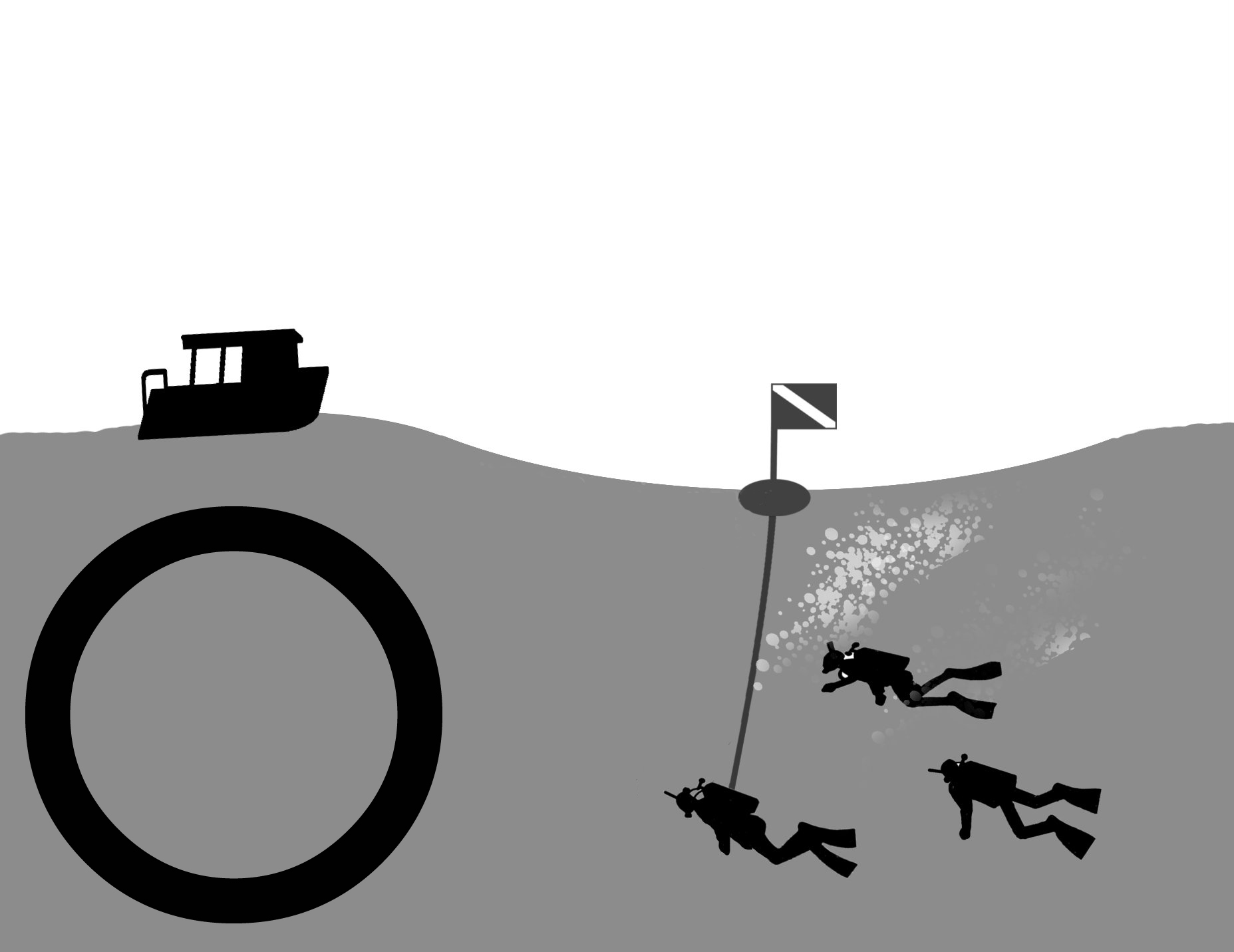
Boat diving often requires controlled and sometimes quicker descents.
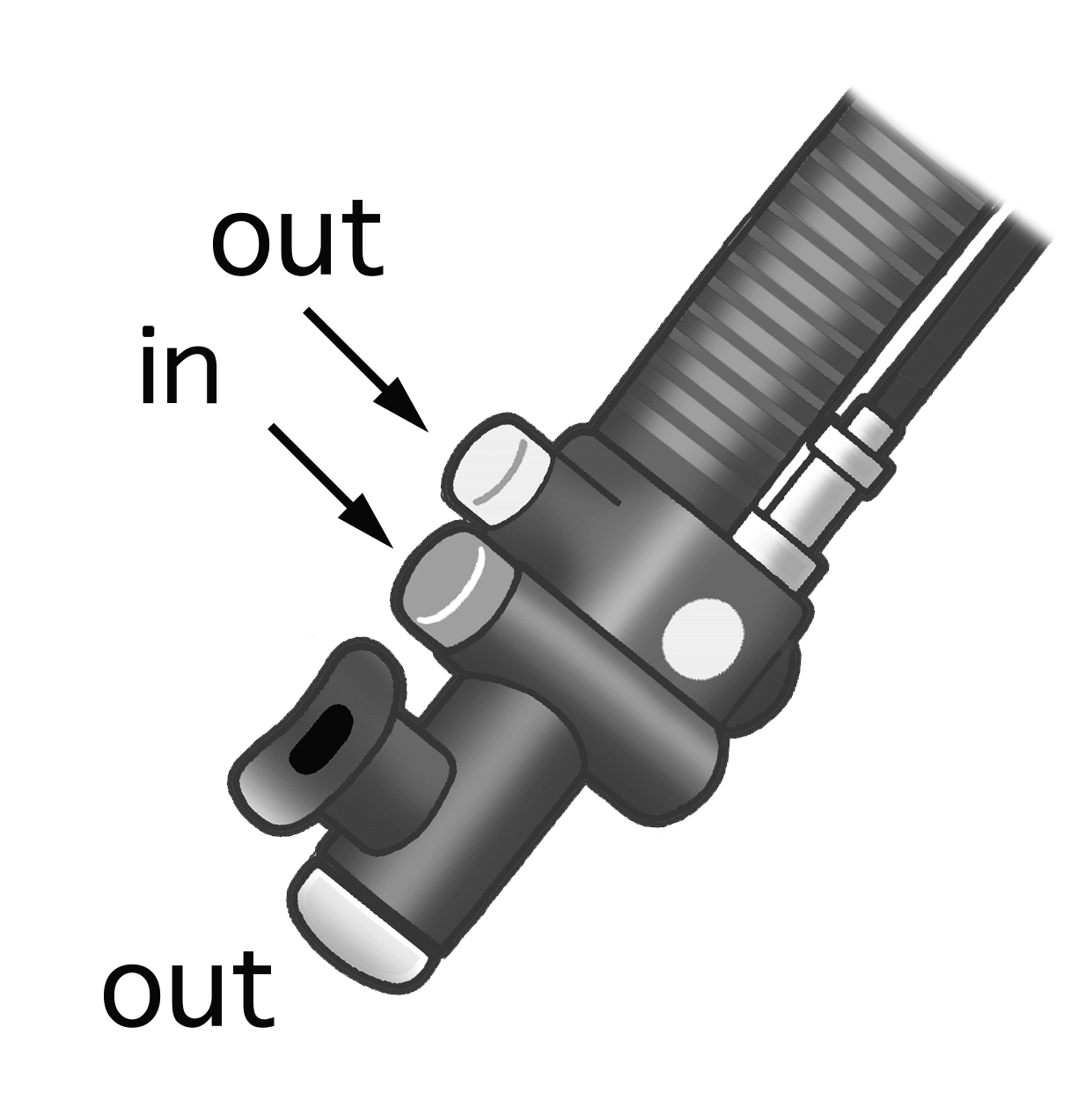
A BCD equipped with an effective power inflator and multiple dump valves allows you to release air quickly and maintain precise buoyancy control.
■ Audible Signaling Device
To attract attention at the surface or underwater, your BCD should be equipped with a whistle.
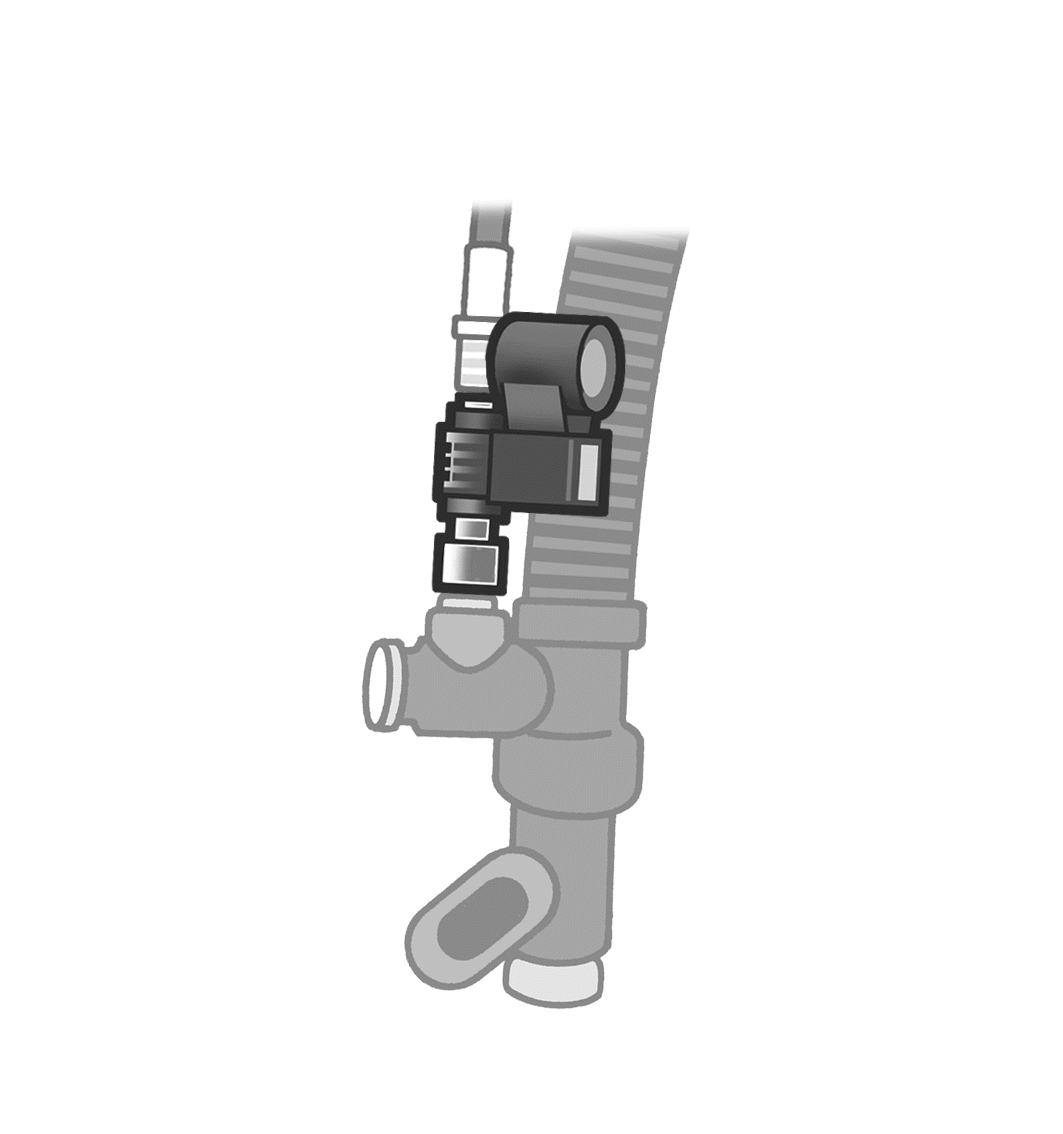
An air-powered horn that connects to the low-pressure inflator hose is also recommended for surface signaling.
■ Surface Marker Buoy (Signal Float)
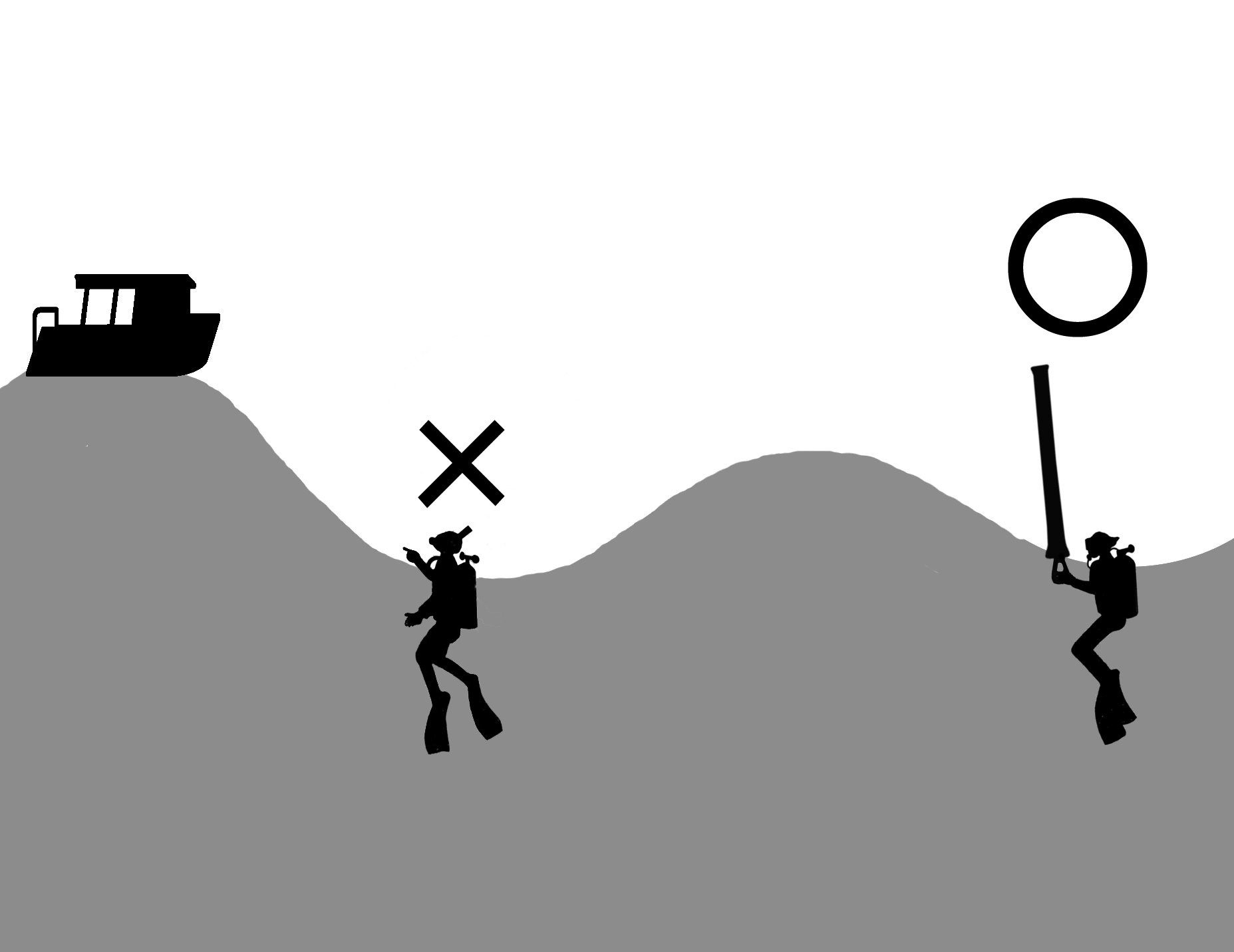
Divers can be difficult to locate from a boat, especially in waves or at a distance.
Deploying a surface marker buoy (SMB) increases visibility and enhances safety during ascent and at the surface.
■ Surface Float (Team Float)
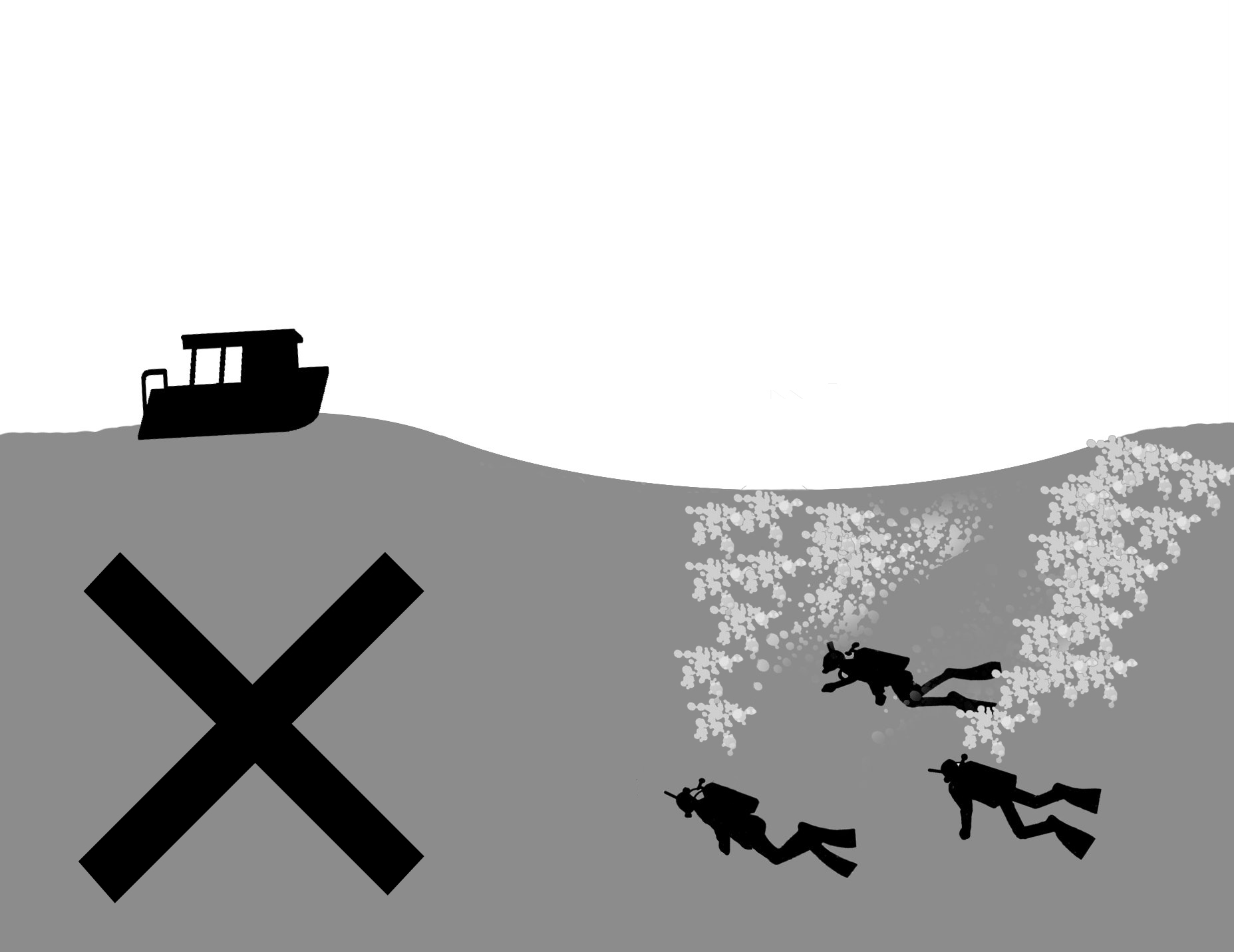
Boats may identify divers underwater by observing exhaust bubbles, but waves can make bubbles difficult to see.
A surface float, deployed by the dive leader, helps indicate the team’s position to the boat.
In strong surface currents, the dive leader may not deploy the float if it could drift too quickly away from the group.